Skip navigation links
Supreme Court Historical Society
Civics
  • Support Civics Education
  • Shop the CivEd Collection
  • Explore the Eras
    • Affirming Judicial Independence (1801–1835)
    • Rights, Commerce, and Reform (1874–1921)
    • Incorporating Rights (1953–1969)
  • Hometowns Program
  • Educator Resources
    • Teaching the Judicial Branch
    • Three Branches Institute
    • Supreme Court Summer Institute
    • Landmark Cases
Supreme Court Historical Society Civics
Supreme Court Historical Society
Menu Close
  • Explore the Eras
    • Affirming Judicial Independence (1801–1835)
    • Rights, Commerce, and Reform (1874–1921)
    • Incorporating Rights (1953–1969)
  • Hometowns Program
  • Educator Resources
    • Teaching the Judicial Branch
    • Three Branches Institute
    • Supreme Court Summer Institute
    • Landmark Cases

Landmark Case

16 results
  • Fletcher v. Peck

    Significant Case

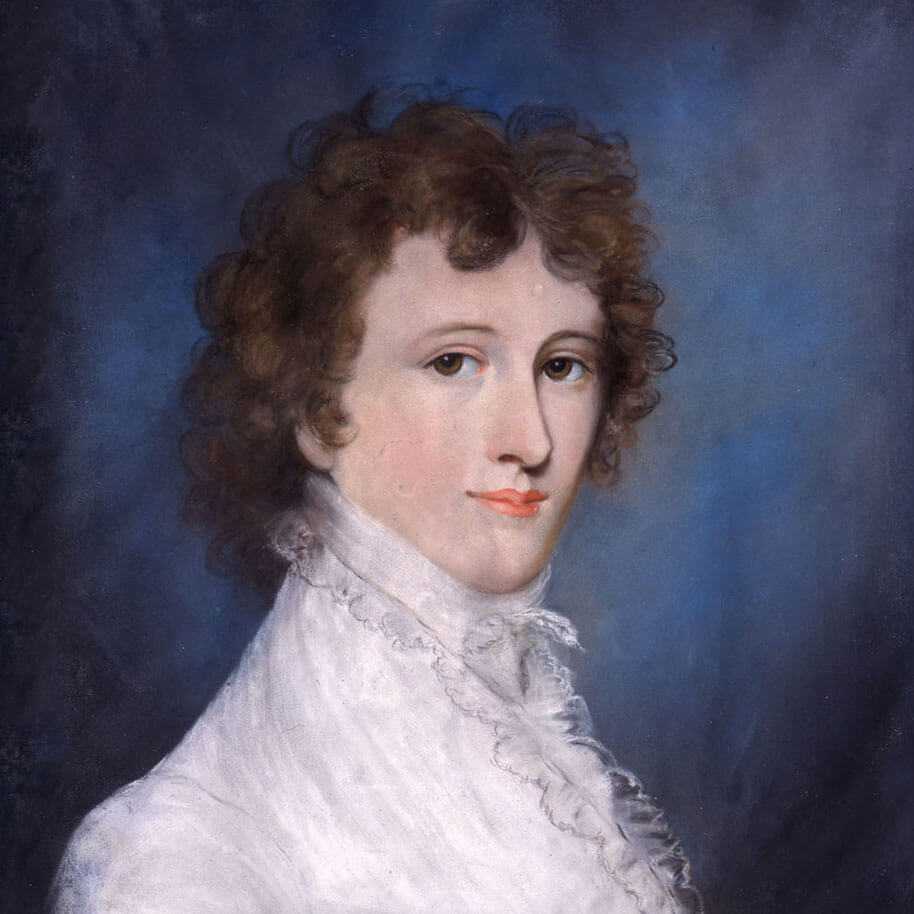
    The first time the Supreme Court declared a state law unconstitutional and a formative decision interpreting the Commerce Clause.

  • Brown as the Beginning

    Significant Case

    The landmark Supreme Court decision that declared public school segregation unconstitutional and led to wider civil rights victories in the 1960s.

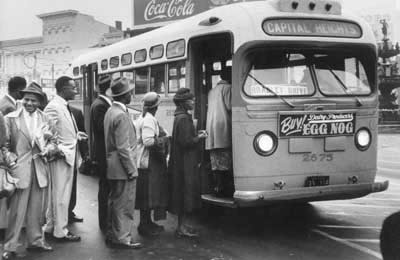
  • Browder v. Gayle

    Significant Case

    The Supreme Court’s affirmation of a district court decision to outlaw segregated bussing in Montgomery, Alabama that overturned Plessy v. Ferguson.

  • Barron v. Baltimore

    Significant Case

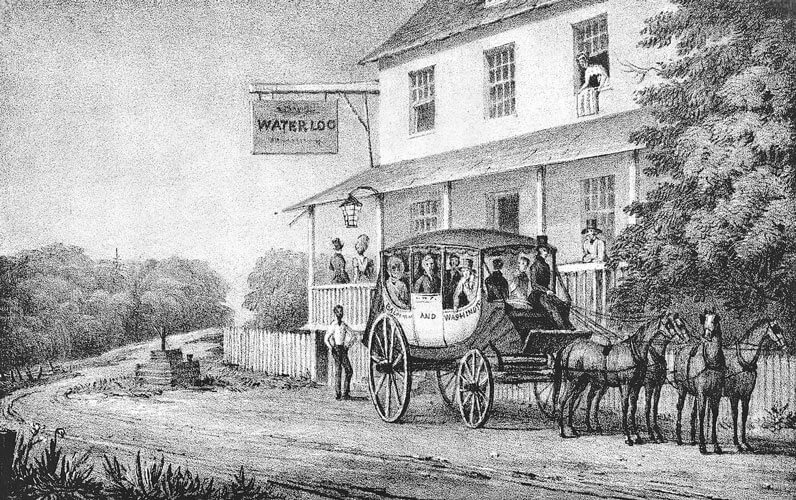
    John Marshall’s last opinion which addressed the existing parameters of federalism in relation to the states.

  • Baker v. Carr

    Significant Case

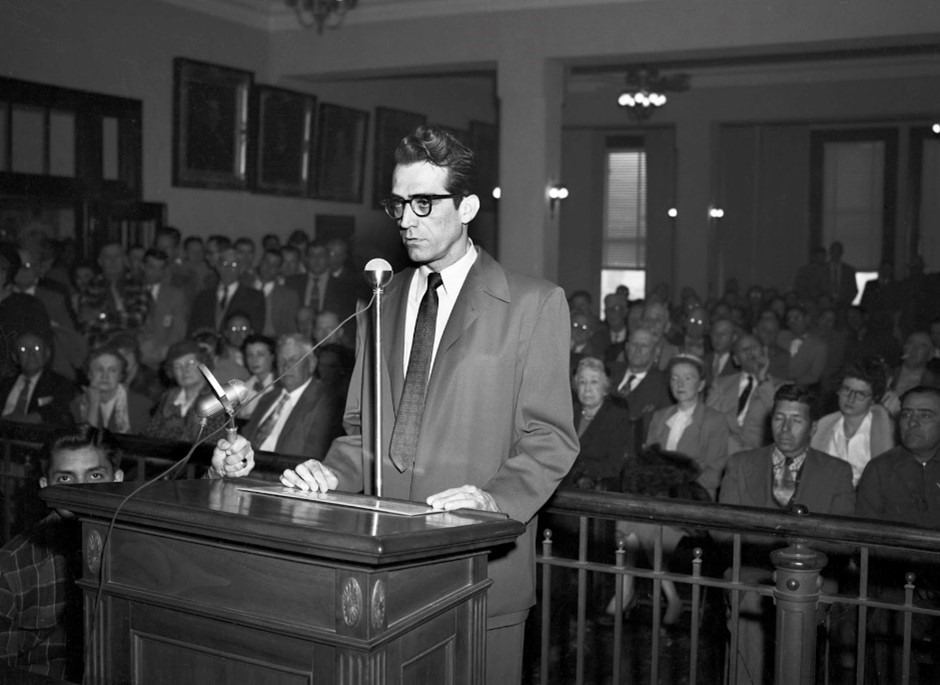
    The landmark case that declared unequal representation in legislative districts to be unconstitutional and that the courts have jurisdiction over questions of legislative apportionment

  • Affirming Judicial Independence

    Era

    Through a series of landmark decisions, the Justices of the Marshall Court affirmed the judicial independence of the federal courts, the authority of the Supreme Court, and ensured that the Judicial Branch was an equal branch of the federal government.
1 2

Continue Exploring

  • Advocate

  • Circuit

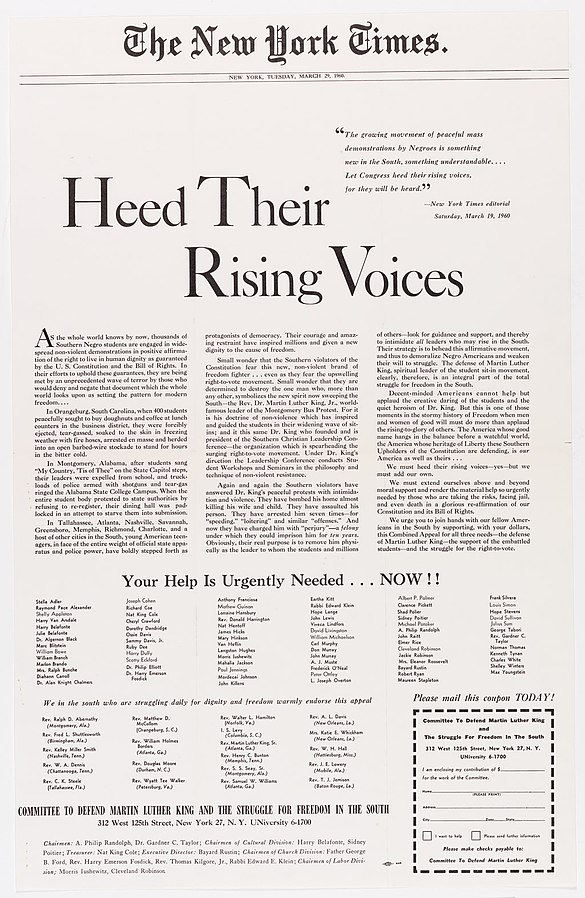
  • A page of the New York Times displays the text

    First Amendment

  • Seven Black men, all dressed in suits, wait in line to board the front of a bus after the decision in Browder v. Gayle.

    Fourteenth Amendment

  • Native Americans

  • Selective Incorporation

  • Supreme Court

    Voting

  • Women

224 E. Capitol St. NE, Washington, DC 20003 202-543-0400 [email protected]