Skip navigation links
Supreme Court Historical Society
Supreme Court Historical Society BEYOND THE BENCH
  • The Judicial Branch
    • The Supreme Court of the United States
    • The Administrative Office of the Courts
    • The Federal Judicial Center
    • Landmark Supreme Court Cases
    • The Role of the Chief Justice
    • United States District Courts
    • United States Courts of Appeals
    • Supreme Court
    • Flow of the Federal Courts
    • Three-Judge Panels
  • Explore the Eras
    • Affirming Judicial Independence (1801-1835)
    • Rights, Commerce, and Reform (1874-1921)
    • Incorporating Rights (1953-1969)
  • Hometowns Program
Supreme Court Historical Society BEYOND THE BENCH
Supreme Court Historical Society
Menu Close
  • The Judicial Branch
    • The Supreme Court of the United States
    • The Administrative Office of the Courts
    • The Federal Judicial Center
    • Landmark Supreme Court Cases
    • The Role of the Chief Justice
    • United States District Courts
    • United States Courts of Appeals
    • Supreme Court
    • Flow of the Federal Courts
    • Three-Judge Panels
  • Explore the Eras
    • Affirming Judicial Independence (1801-1835)
    • Rights, Commerce, and Reform (1874-1921)
    • Incorporating Rights (1953-1969)
  • Hometowns Program
  • Supreme Court Historical Society

Voting

5 results
  • United States v. Cruikshank

    Significant Case

    The Supreme Court decision that limited the scope of the Fourteenth Amendment and weakened enforcement of federal Reconstruction policies.

  • The Election of 1876

    Significant Event

    The disputed presidential election that many scholars claim marked the end of post-Civil War Reconstruction.

  • Rights, Commerce, and Reform

    Era

    The end of Reconstruction and the start of Industrialization led to a 50-year era where the Supreme Court addressed constitutional questions about rights, commerce, and reform.

  • Joseph P. Bradley

    Life Story

    The Supreme Court Justice who held the deciding vote on the Electoral Commission for the presidential election of 1876.

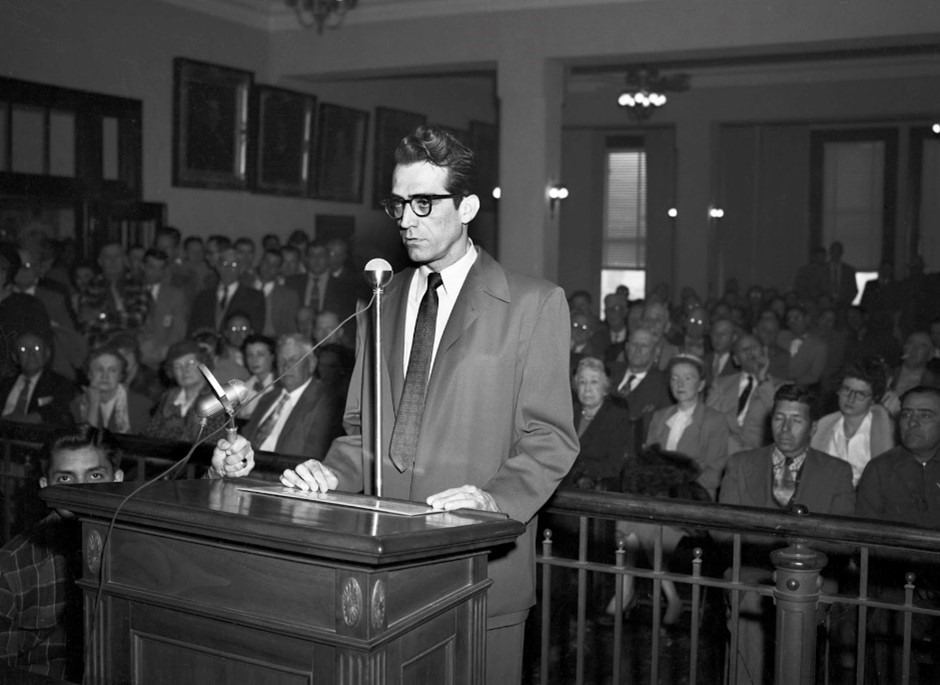
  • Baker v. Carr

    Significant Case

    The landmark case that declared unequal representation in legislative districts to be unconstitutional and that the courts have jurisdiction over questions of legislative apportionment
Continue Exploring

  • Advocate

  • Circuit

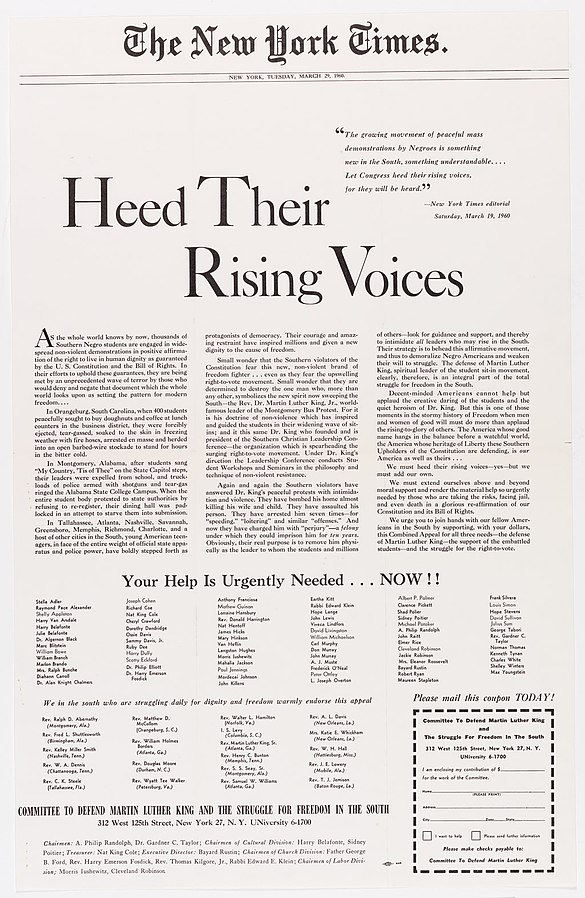
  • A page of the New York Times displays the text

    First Amendment

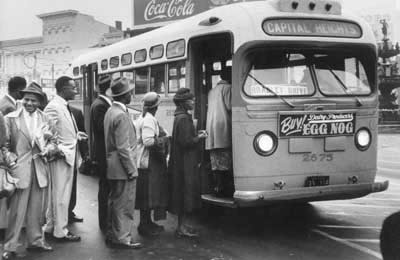
  • Seven Black men, all dressed in suits, wait in line to board the front of a bus after the decision in Browder v. Gayle.

    Fourteenth Amendment

  • Landmark Case

  • Native Americans

  • Selective Incorporation

  • Women