Skip navigation links
Supreme Court Historical Society
Civics
  • Support Civics Education
  • Shop the CivEd Collection
  • Explore the Eras
    • Affirming Judicial Independence (1801–1835)
    • Rights, Commerce, and Reform (1874–1921)
    • Incorporating Rights (1953–1969)
  • Hometowns Program
  • Educator Resources
    • Teaching the Judicial Branch
    • Teaching the Eras
    • Write the World
    • Three Branches Institute
    • Supreme Court Summer Institute
    • Landmark Cases
Supreme Court Historical Society Civics
Supreme Court Historical Society
Menu Close
  • Explore the Eras
    • Affirming Judicial Independence (1801–1835)
    • Rights, Commerce, and Reform (1874–1921)
    • Incorporating Rights (1953–1969)
  • Hometowns Program
  • Educator Resources
    • Teaching the Judicial Branch
    • Teaching the Eras
    • Write the World
    • Three Branches Institute
    • Supreme Court Summer Institute
    • Landmark Cases

Video

5 results
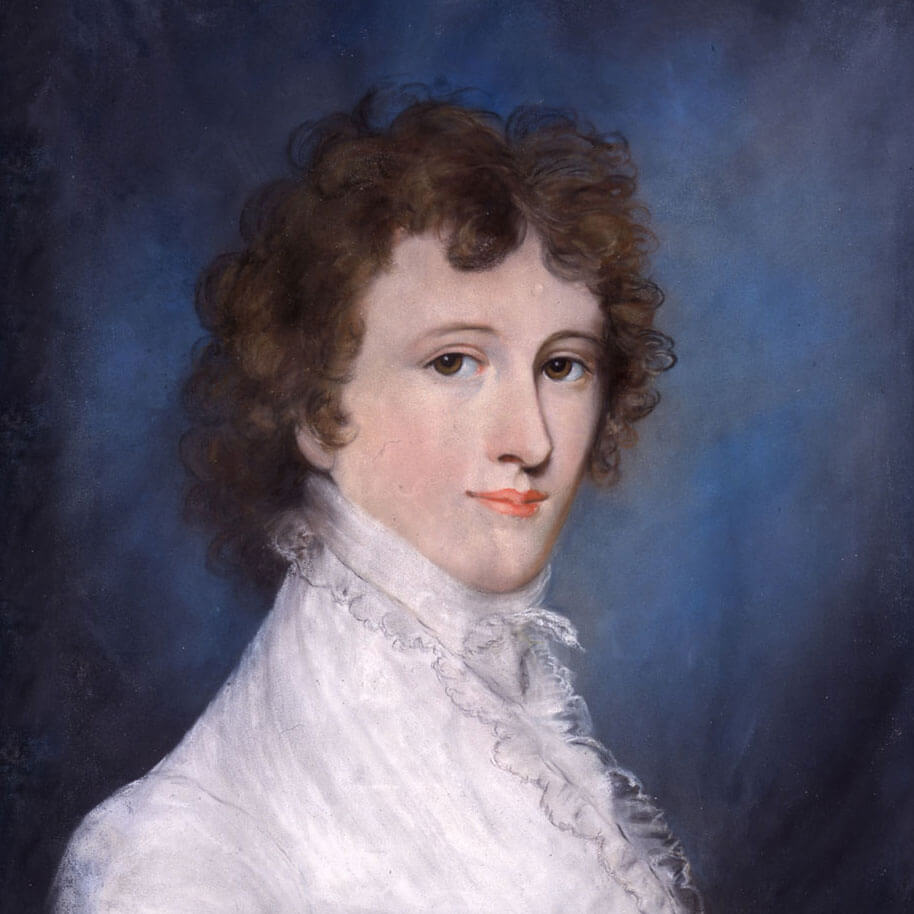
  • The Role of Supreme Court Wives

    Article

    The significant roles of Supreme Court wives during the early decades of the Court

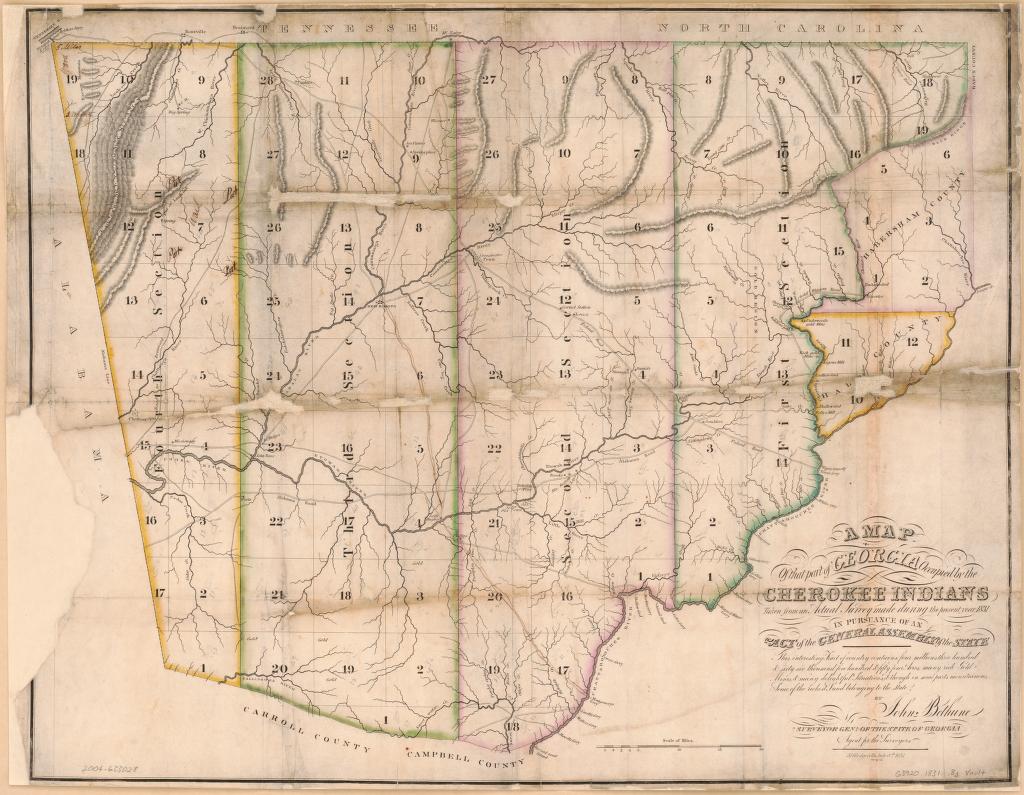
  • The Cherokee Nation Cases

    Significant Case

    The lawsuits that forced the examination of the relationship between law and politics, particularly with respect to the Supreme Court’s ability to enforce its judgment during the early years of the Republic.

  • Judicial Review

    Article

    The principle that allows the Supreme Court to strike down laws and government actions that conflict with the Constitution

  • John Marshall

    Life Story

    The soldier, attorney, and American statesman who became the longest serving Chief Justice of the Supreme Court

  • Affirming Judicial Independence

    Era

    Through a series of landmark decisions, the Justices of the Marshall Court affirmed the judicial independence of the federal courts, the authority of the Supreme Court, and ensured that the Judicial Branch was an equal branch of the federal government.
Continue Exploring

  • Advocate

  • Circuit

  • Supreme Court

    Eighth Amendment

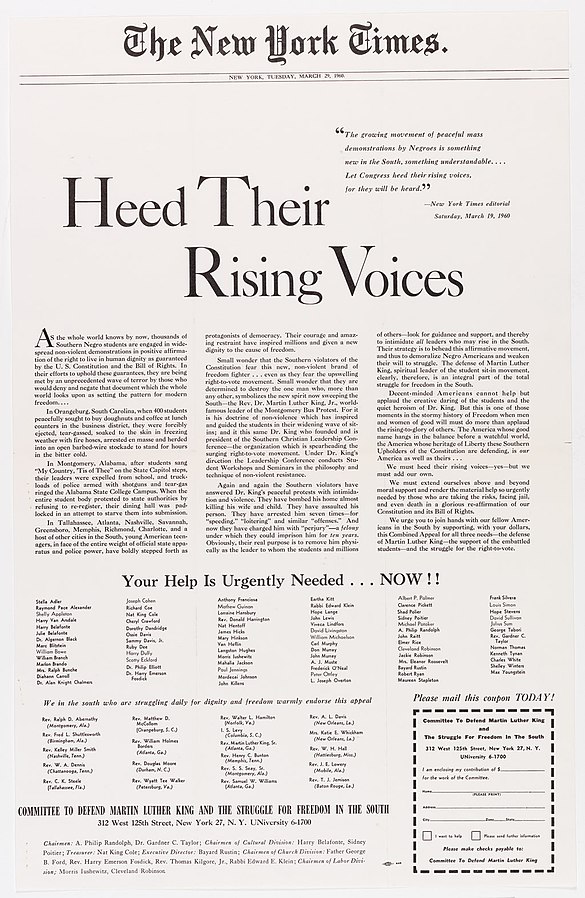
  • A page of the New York Times displays the text

    First Amendment

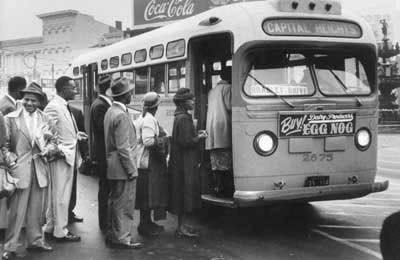
  • Seven Black men, all dressed in suits, wait in line to board the front of a bus after the decision in Browder v. Gayle.

    Fourteenth Amendment

  • Landmark Case

  • Native Americans

  • Selective Incorporation

  • Supreme Court

    Voting

  • Women

224 E. Capitol St. NE, Washington, DC 20003 202-543-0400 [email protected]