Skip navigation links
Supreme Court Historical Society
Civics
  • Support Civics Education
  • Shop the CivEd Collection
  • Explore the Eras
    • Affirming Judicial Independence (1801–1835)
    • Rights, Commerce, and Reform (1874–1921)
    • Incorporating Rights (1953–1969)
  • Hometowns Program
  • Educator Resources
    • Teaching the Judicial Branch
    • Three Branches Institute
    • Supreme Court Summer Institute
    • Landmark Cases
Supreme Court Historical Society Civics
Supreme Court Historical Society
Menu Close
  • Explore the Eras
    • Affirming Judicial Independence (1801–1835)
    • Rights, Commerce, and Reform (1874–1921)
    • Incorporating Rights (1953–1969)
  • Hometowns Program
  • Educator Resources
    • Teaching the Judicial Branch
    • Three Branches Institute
    • Supreme Court Summer Institute
    • Landmark Cases

Native Americans

5 results
  • The Cherokee Nation Cases

    Significant Case

    The lawsuits that forced the examination of the relationship between law and politics, particularly with respect to the Supreme Court’s ability to enforce its judgment during the early years of the Republic.

  • Rights, Commerce, and Reform

    Era

    The end of Reconstruction and the start of Industrialization led to a 50-year era where the Supreme Court addressed constitutional questions about rights, commerce, and reform.

  • Lone Wolf v. Hitchcock

    Significant Case

    The Supreme Court decision that affirmed the unrestricted legislative power of Congress in regard to treaties and weakened Native American claims to landholdings.

  • Fletcher v. Peck

    Significant Case

    The first time the Supreme Court declared a state law unconstitutional and a formative decision interpreting the Commerce Clause.

  • Ex parte Crow Dog

    Significant Case

    The Supreme Court decision that upheld Native American tribal sovereignty but paved the way for an expansion of federal authority over crimes committed in Native territory.
Continue Exploring

  • Advocate

  • Circuit

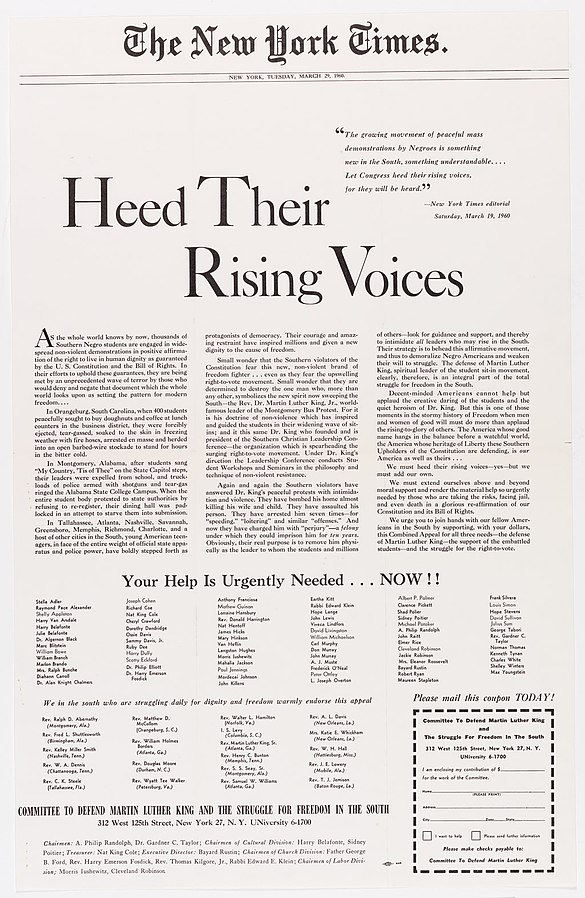
  • A page of the New York Times displays the text

    First Amendment

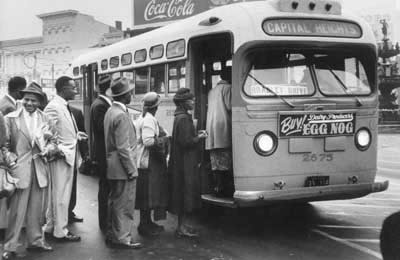
  • Seven Black men, all dressed in suits, wait in line to board the front of a bus after the decision in Browder v. Gayle.

    Fourteenth Amendment

  • Landmark Case

  • Selective Incorporation

  • Supreme Court

    Voting

  • Women

224 E. Capitol St. NE, Washington, DC 20003 202-543-0400 [email protected]