Skip navigation links
Supreme Court Historical Society
Supreme Court Historical Society BEYOND THE BENCH
  • The Judicial Branch
    • The Supreme Court of the United States
    • The Administrative Office of the Courts
    • The Federal Judicial Center
    • Landmark Supreme Court Cases
    • The Role of the Chief Justice
    • United States District Courts
    • United States Courts of Appeals
    • Supreme Court
    • Flow of the Federal Courts
    • Three-Judge Panels
  • Explore the Eras
    • Affirming Judicial Independence (1801-1835)
    • Rights, Commerce, and Reform (1874-1921)
    • Incorporating Rights (1953-1969)
  • Hometowns Program
Supreme Court Historical Society BEYOND THE BENCH
Supreme Court Historical Society
Menu Close
  • The Judicial Branch
    • The Supreme Court of the United States
    • The Administrative Office of the Courts
    • The Federal Judicial Center
    • Landmark Supreme Court Cases
    • The Role of the Chief Justice
    • United States District Courts
    • United States Courts of Appeals
    • Supreme Court
    • Flow of the Federal Courts
    • Three-Judge Panels
  • Explore the Eras
    • Affirming Judicial Independence (1801-1835)
    • Rights, Commerce, and Reform (1874-1921)
    • Incorporating Rights (1953-1969)
  • Hometowns Program
  • Supreme Court Historical Society

Checks and Balances

6 results
  • United States v. Wong Kim Ark

    Significant Case

    The landmark Supreme Court decision that affirmed birthright citizenship as a protection under the Fourteenth Amendment to the Constitution.

  • United States v. E.C. Knight Company

    Significant Case

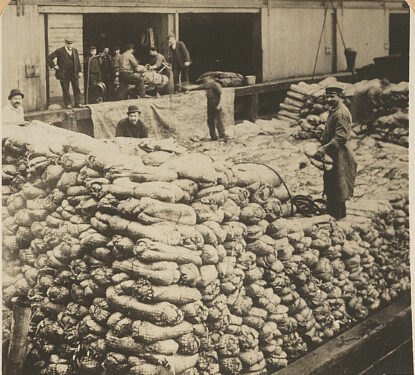
    The Supreme Court decision that limited the federal government’s power to break up monopolies.

  • Standard Oil Company v. United States

    Significant Case

    The Supreme Court decision that established the “rule of reason” in antitrust law and demonstrated the government’s power to regulate monopolies and increase competition.

  • Rights, Commerce, and Reform

    Era

    The end of Reconstruction and the start of Industrialization led to a 50-year era where the Supreme Court addressed constitutional questions about rights, commerce, and reform.

  • Pollock v. Farmers’ Loan and Trust Company

    Significant Case

    The Supreme Court decision that declared direct taxes on personal income unconstitutional but was nullified when Congress ratified the Sixteenth Amendment in 1913.

  • Civil Rights Cases

    Significant Case

    The Supreme Court decision that held the Civil Rights Act of 1875 to be unconstitutional and paved the way for Plessy v. Ferguson (1896) and Jim Crow segregation.
Continue Exploring

  • Civil Liberties

  • Civil Rights

  • Commerce

  • Supreme Court

    Due Process

  • Supreme Court

    Federalism

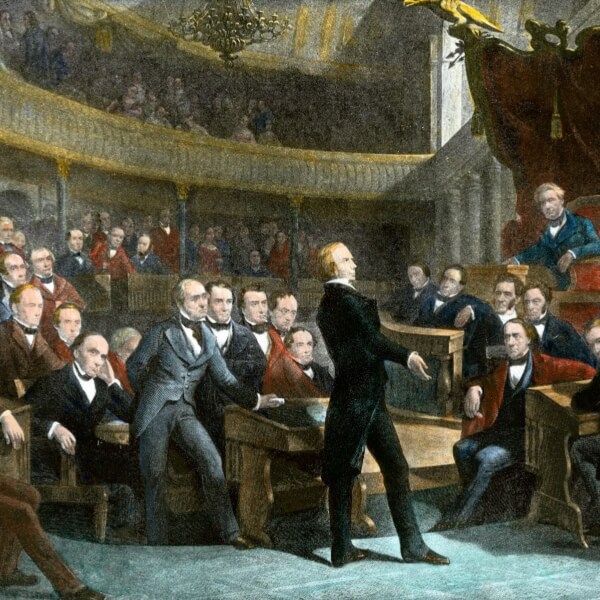
  • Compromise of 1850

    Judicial Review

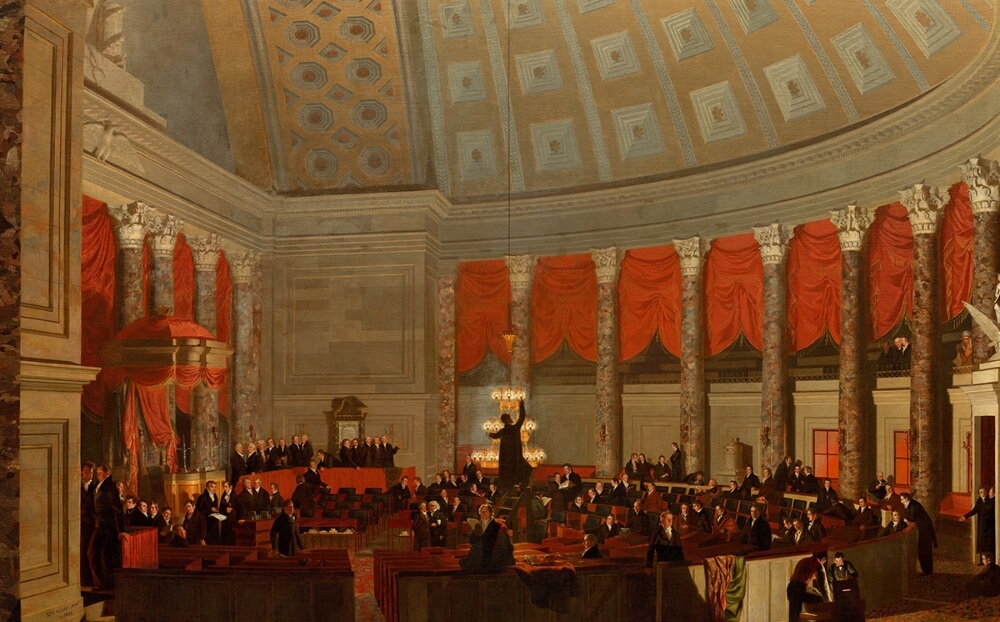
  • Marshall Court House of Representatives

    Rule of Law

  • Separation of Powers