Providence, RI

Hometowns Program

Spring 2025

Application Closed

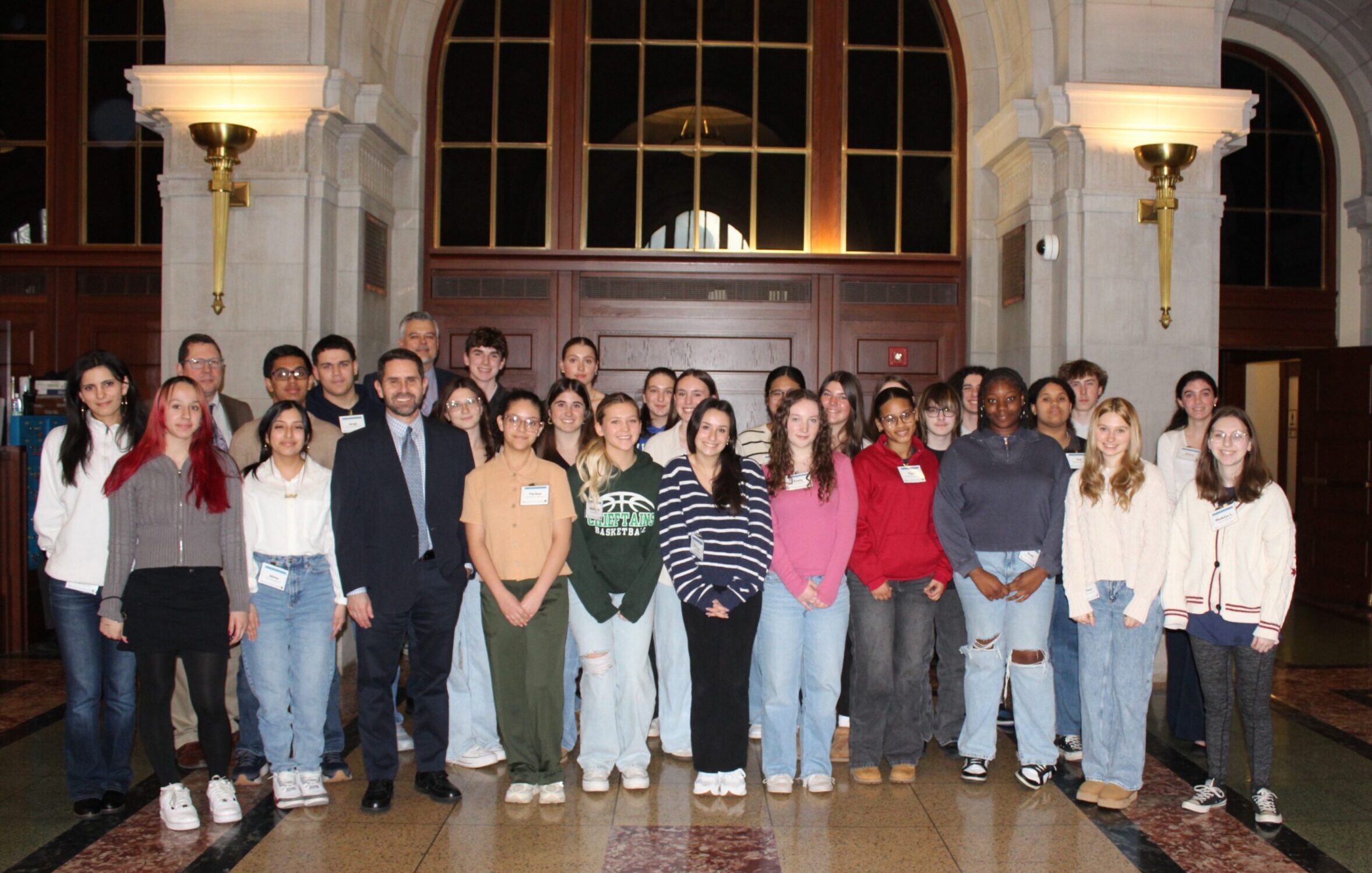
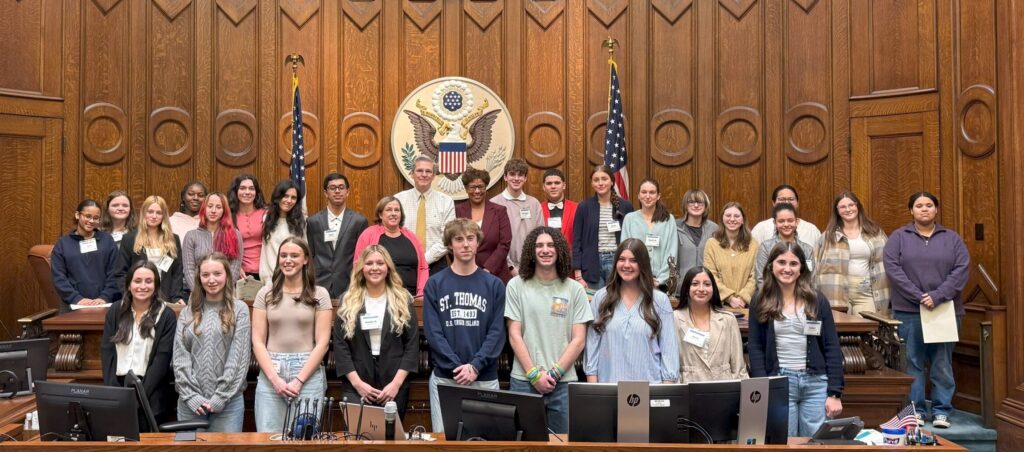
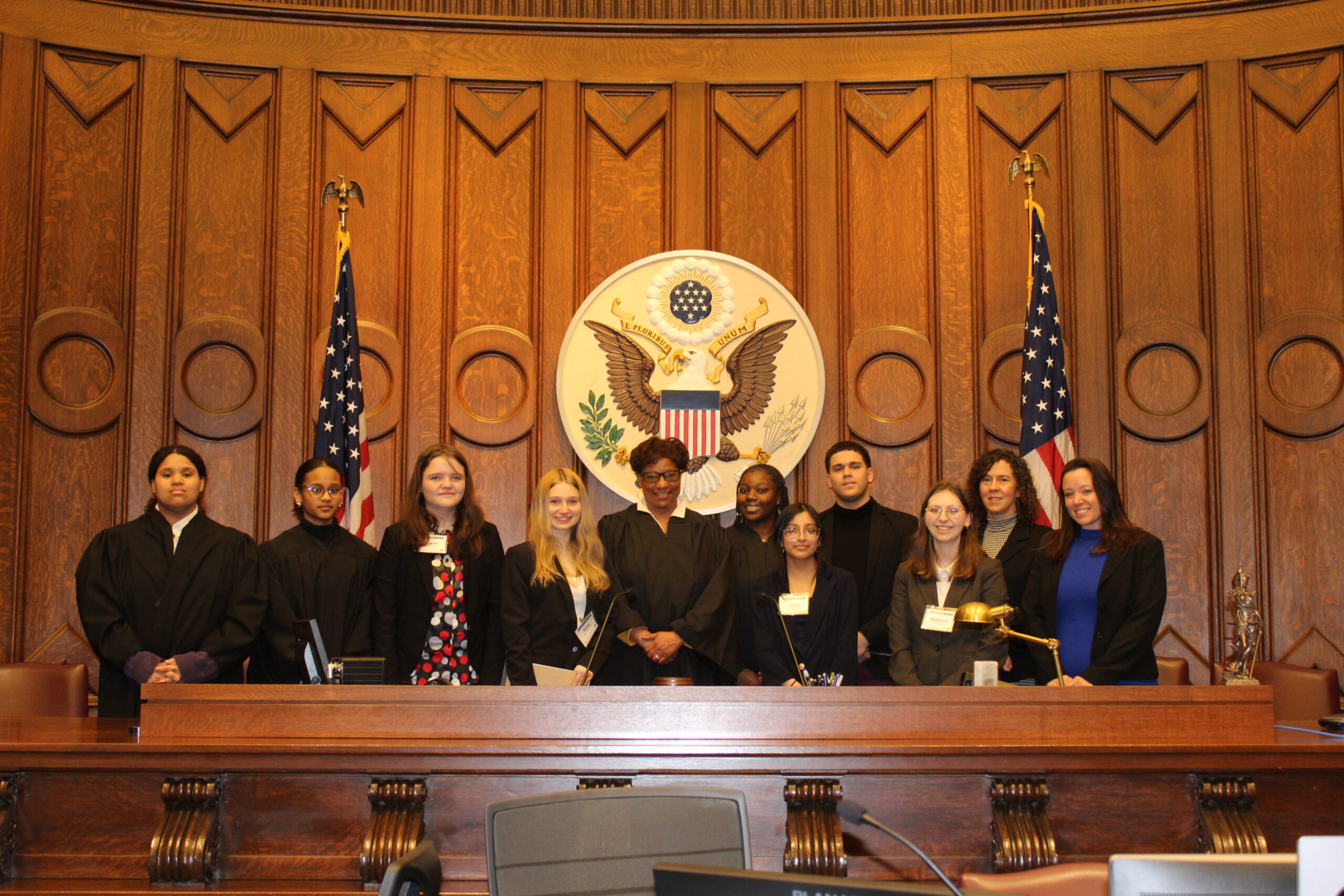
Hometowns Providence scholars with Chief Judge McConnell, Judge McElroy, and Judge DuBose celebrating their successful completion of the program.

Summary of the Program

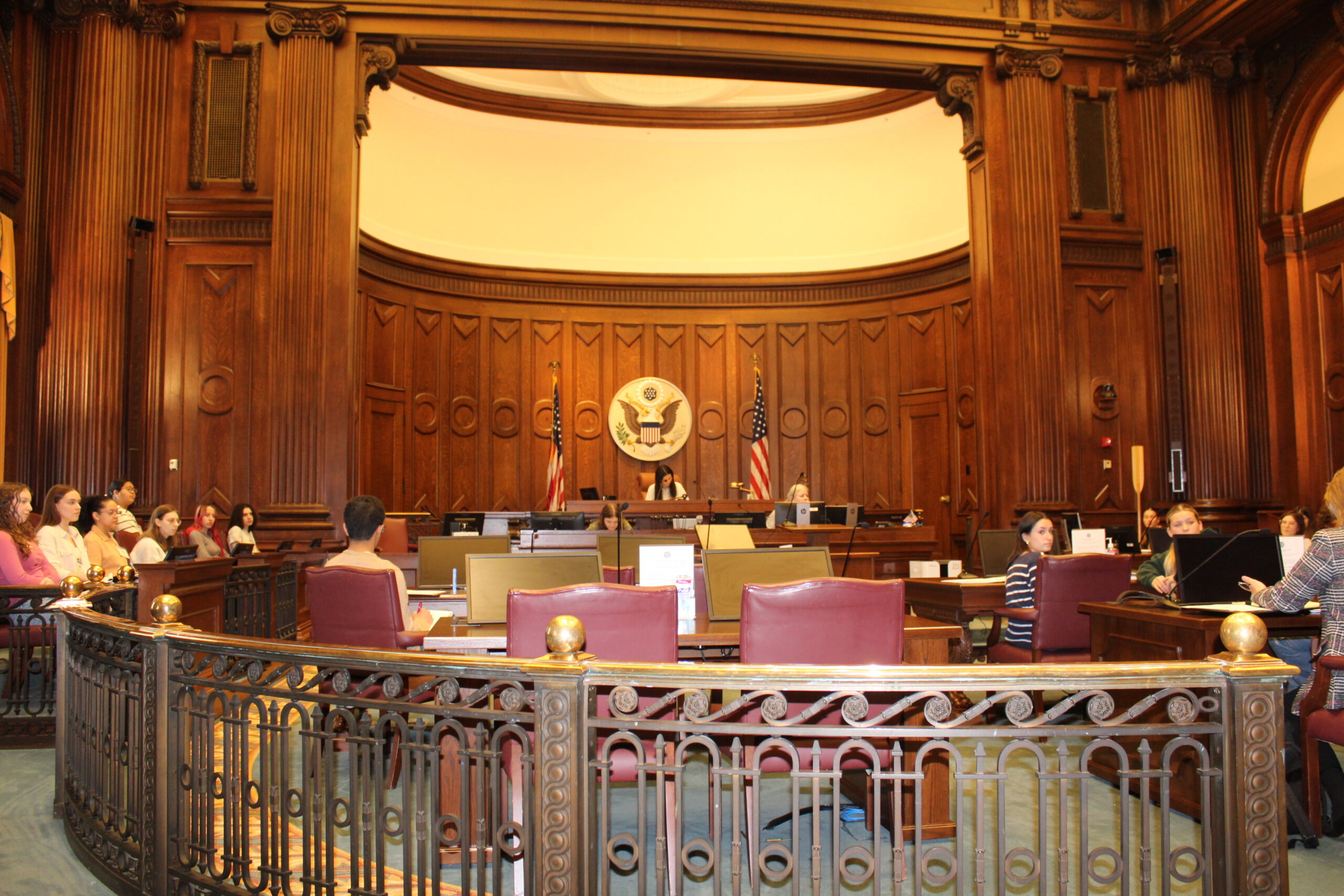
The Society partnered with the U.S. District Court for the District of Rhode Island to bring 30 high school students from 14 different high schools in the greater Providence area into their federal court house over Spring Break. Over the course of the five-day program, the students did an intensive study of the Judicial Branch through the lens of Rhode Island v. Innis, a local Fifth Amendment case that made it to the Supreme Court in 1980. During the program, the students learned from:

  • All 3 Article III Judges
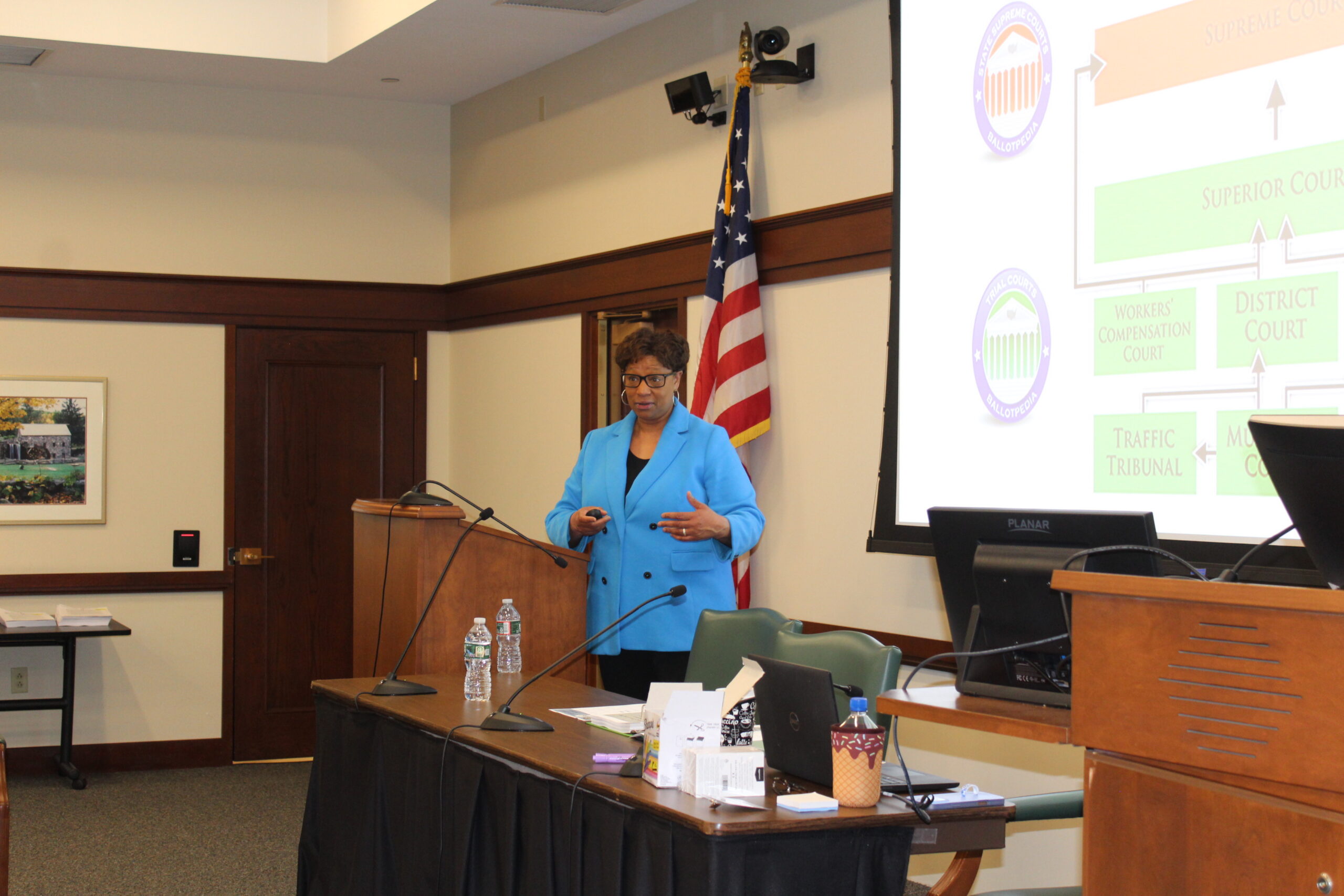
  • 3 State Supreme Court Justices
  • The acting US Attorney, Federal Defender, Chief Probation Officer, and District Clerk of Court
  • 17 different local attorneys including Supreme Court advocate Marc DeSisto
  • Numerous other members of the federal court staff from the pre-trial & probation, federal defender, U.S. attorney, U.S. Marshal, and District Clerk offices

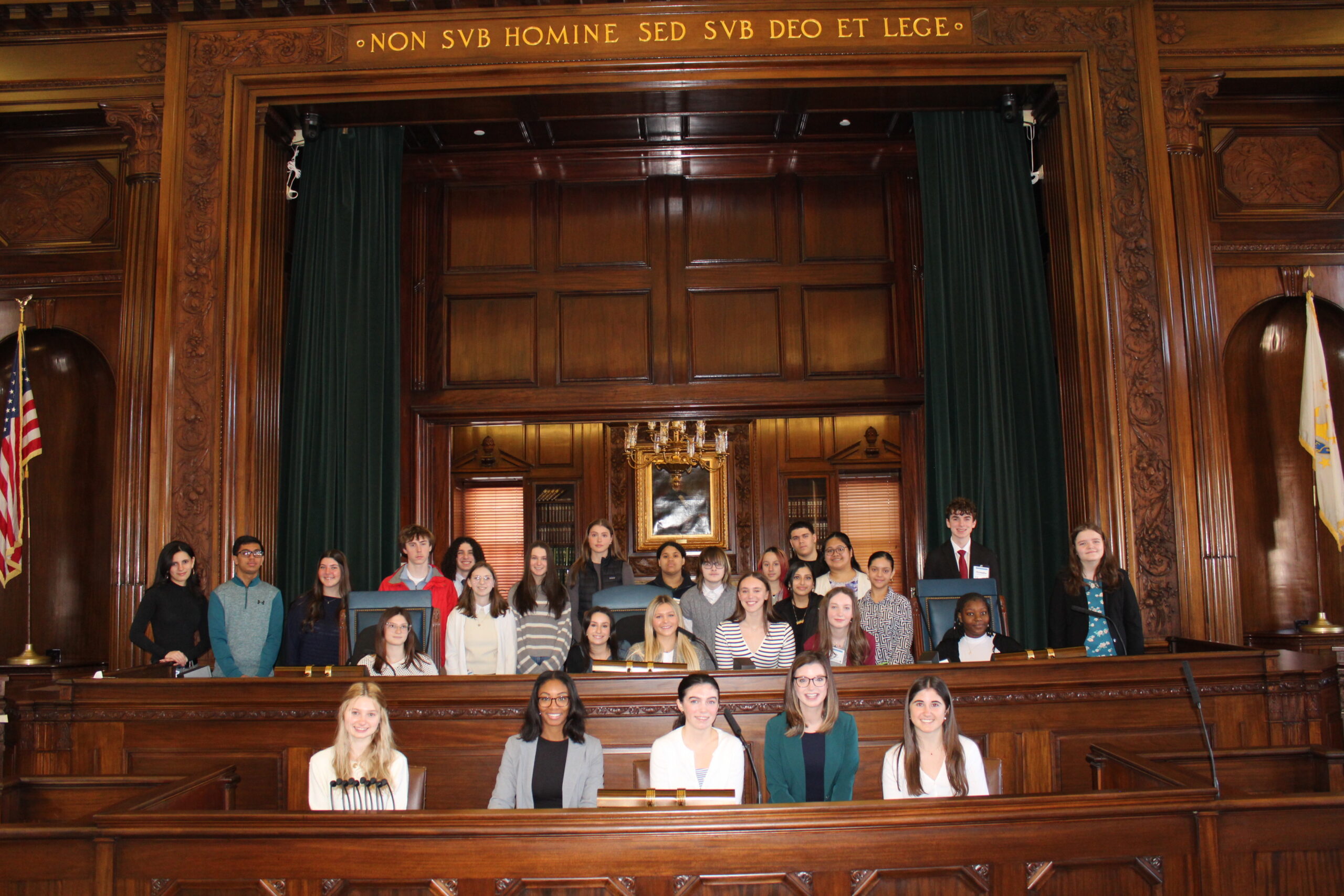
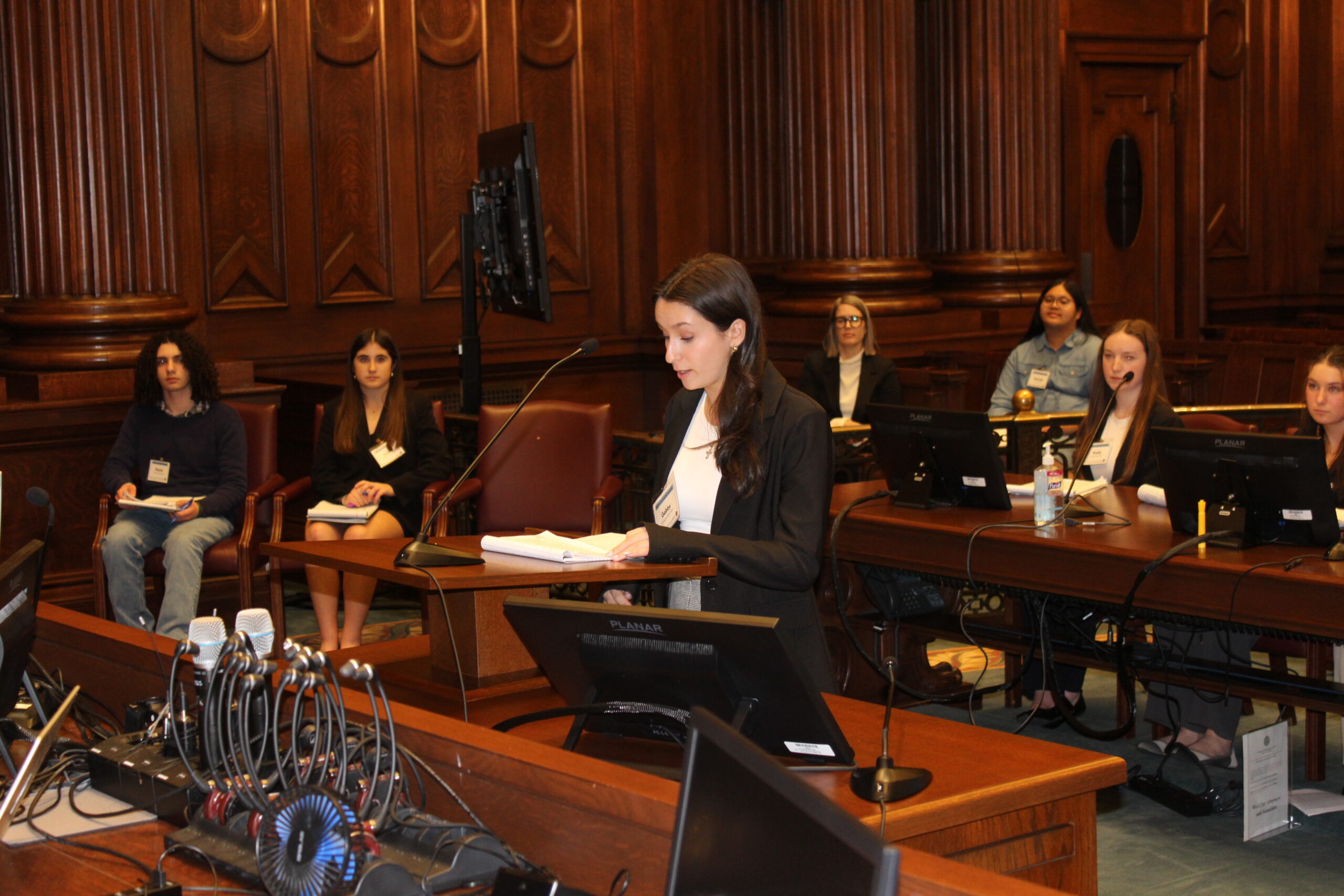
Students also had the unique opportunity to attend a naturalization ceremony at Brown University, tour the Supreme Court of Rhode Island, and participate in a Moot Court with assistance from District Court Law Clerks, local private attorneys, and District Judge Melissa DuBose who served as the Chief Justice. 

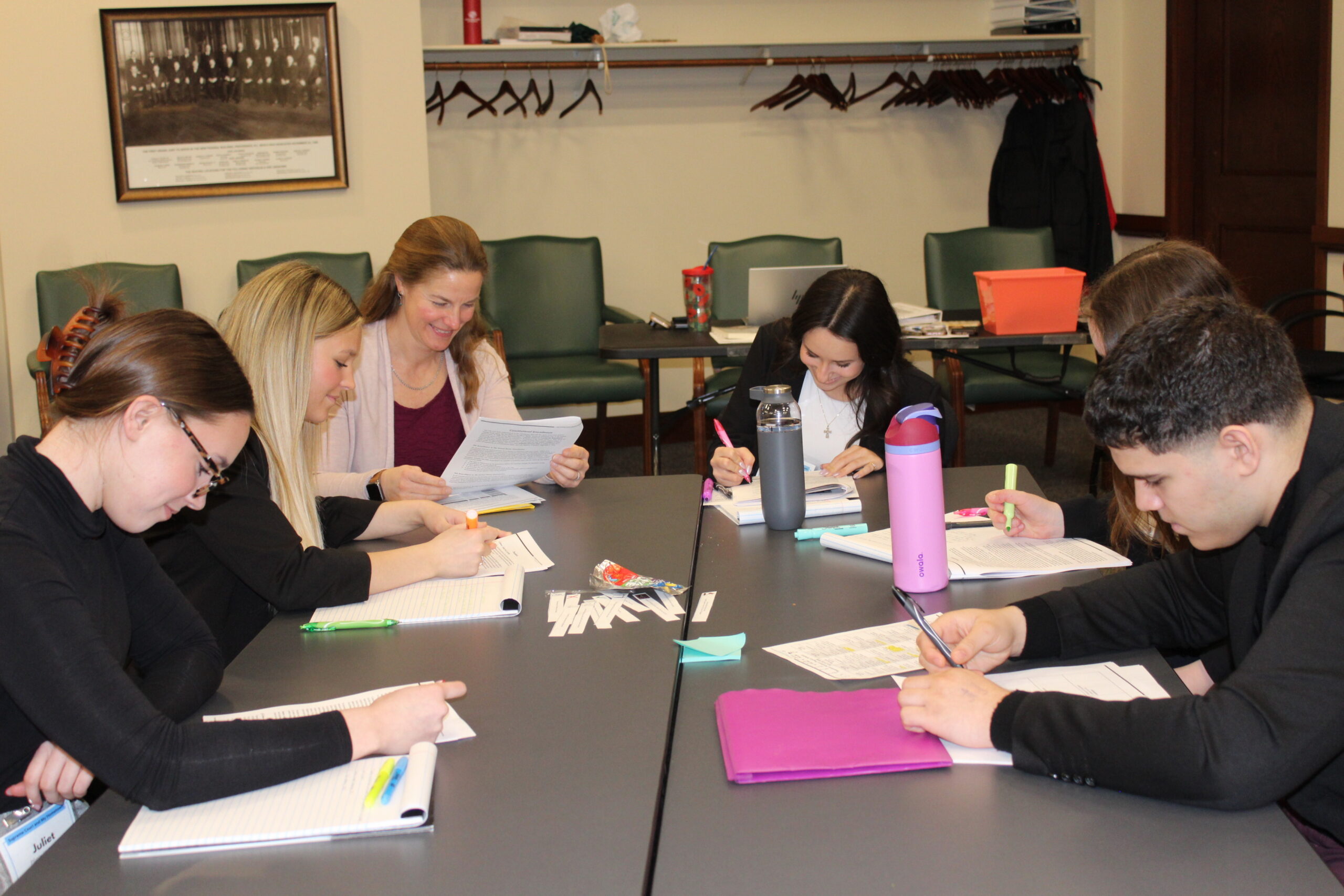
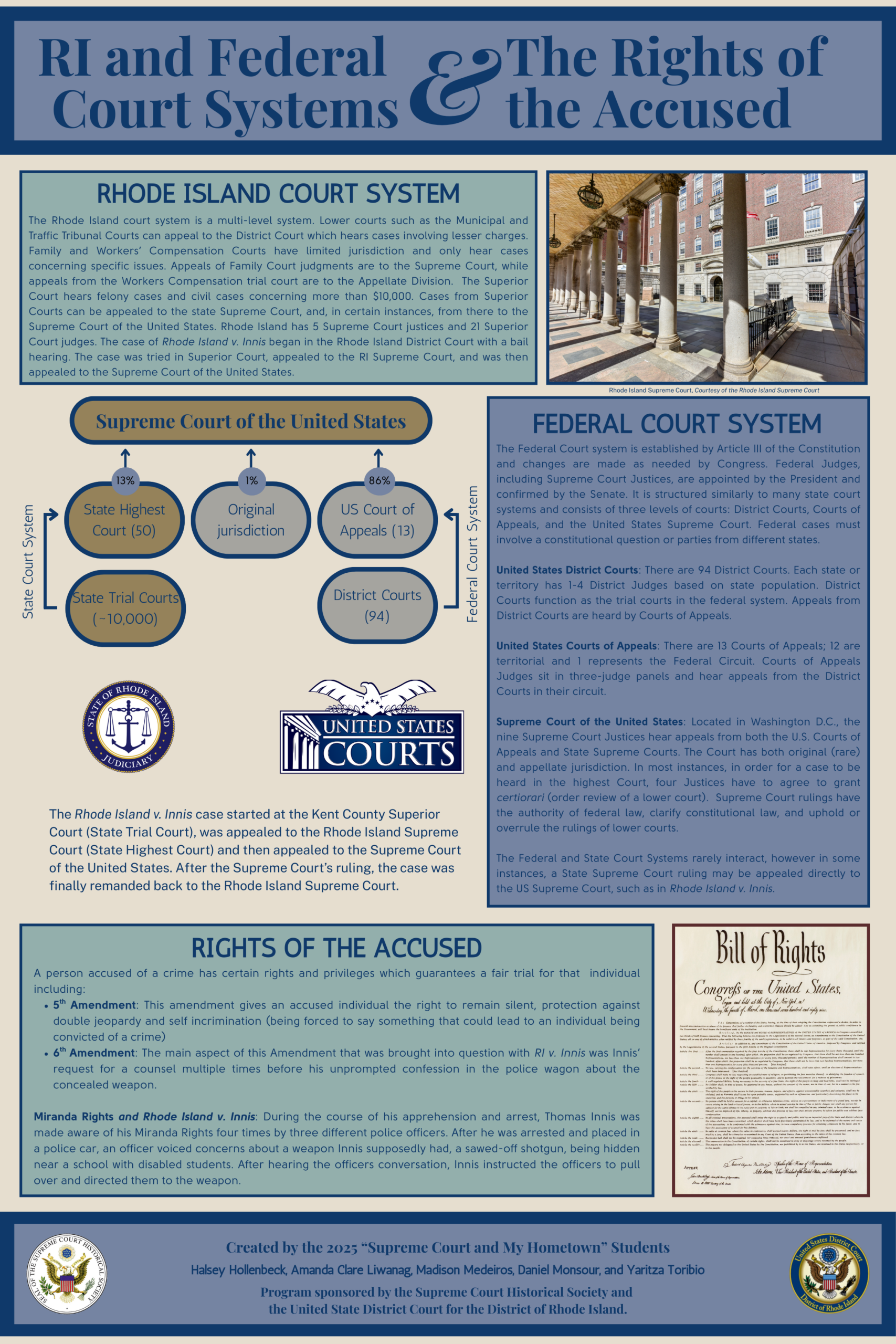
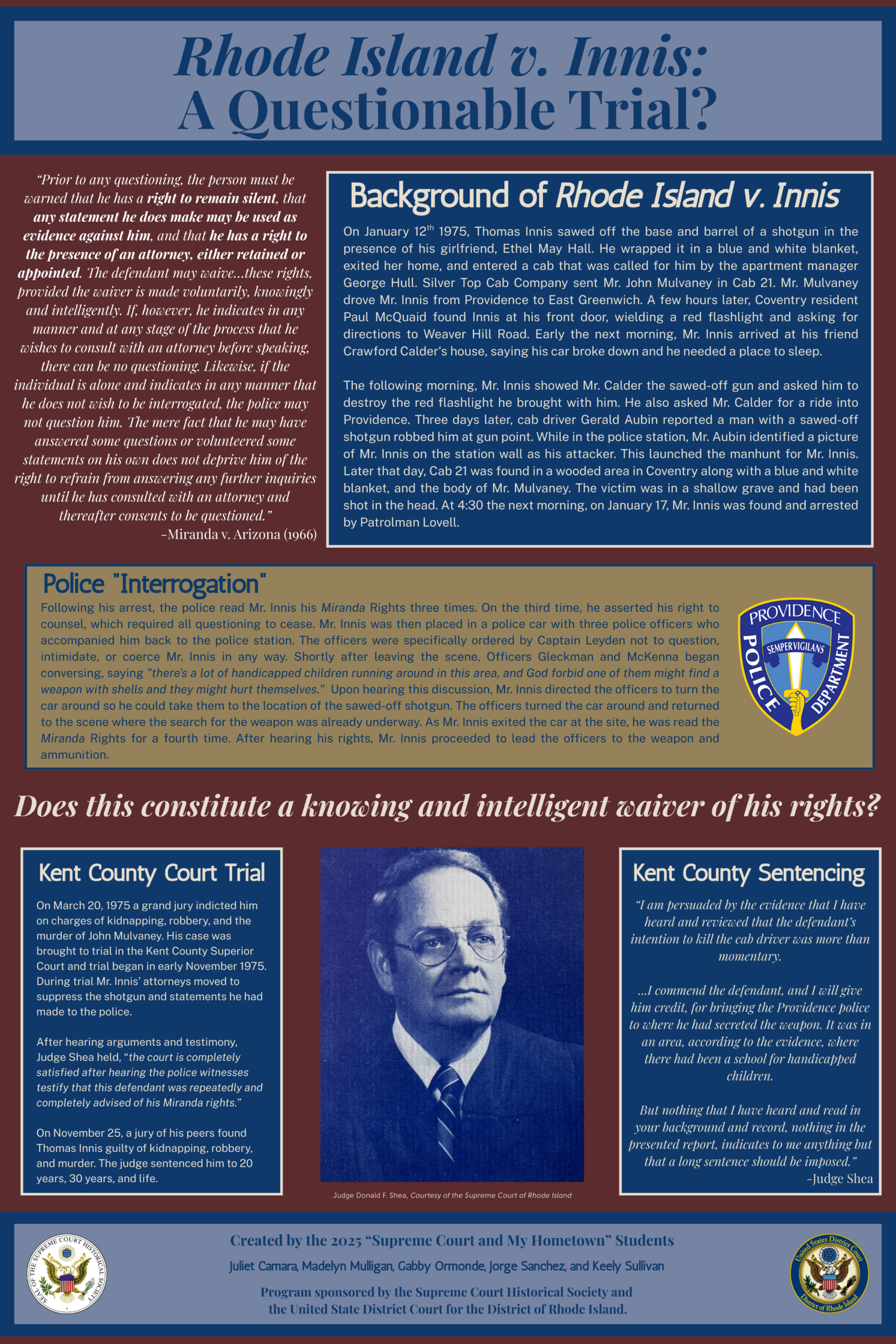
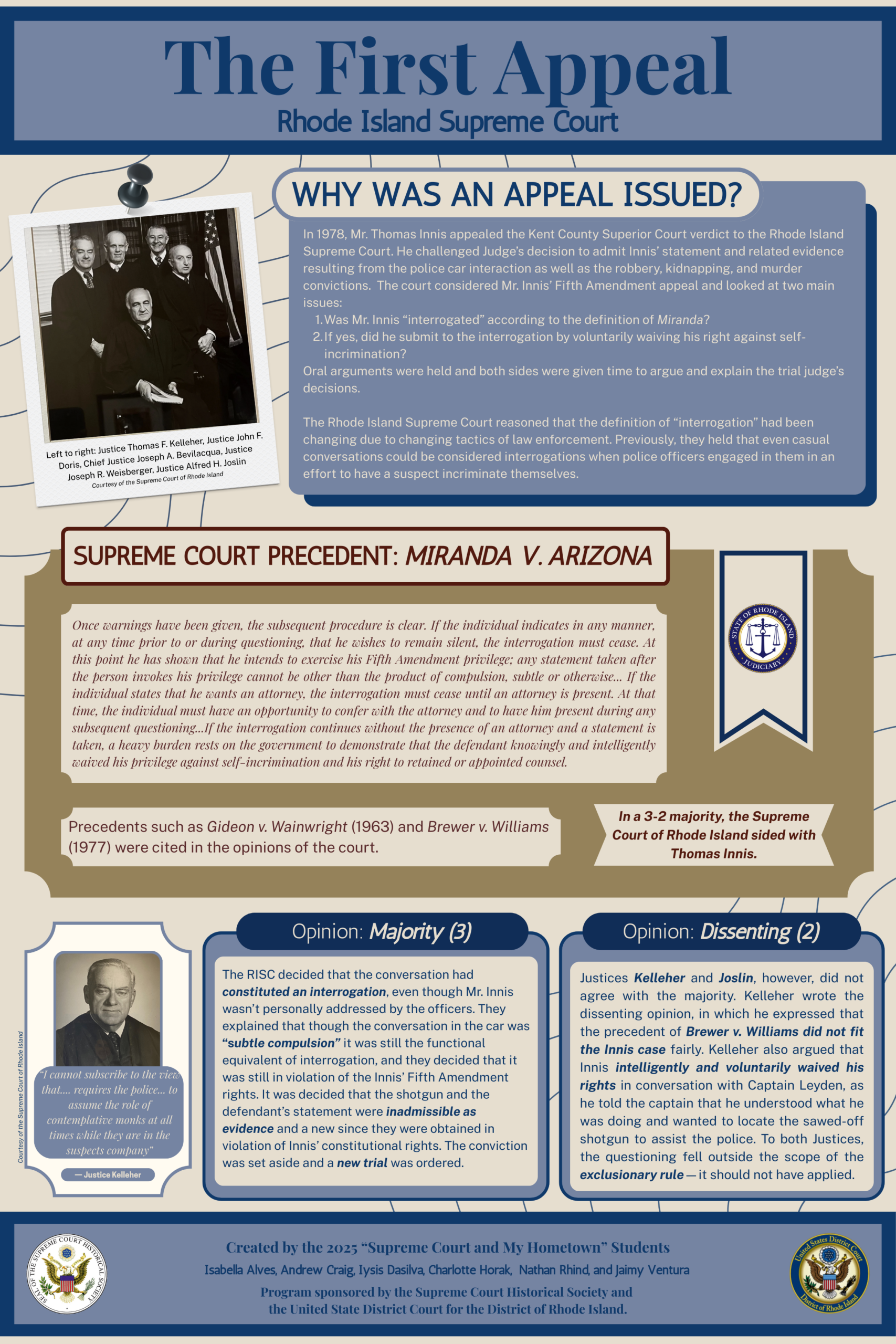
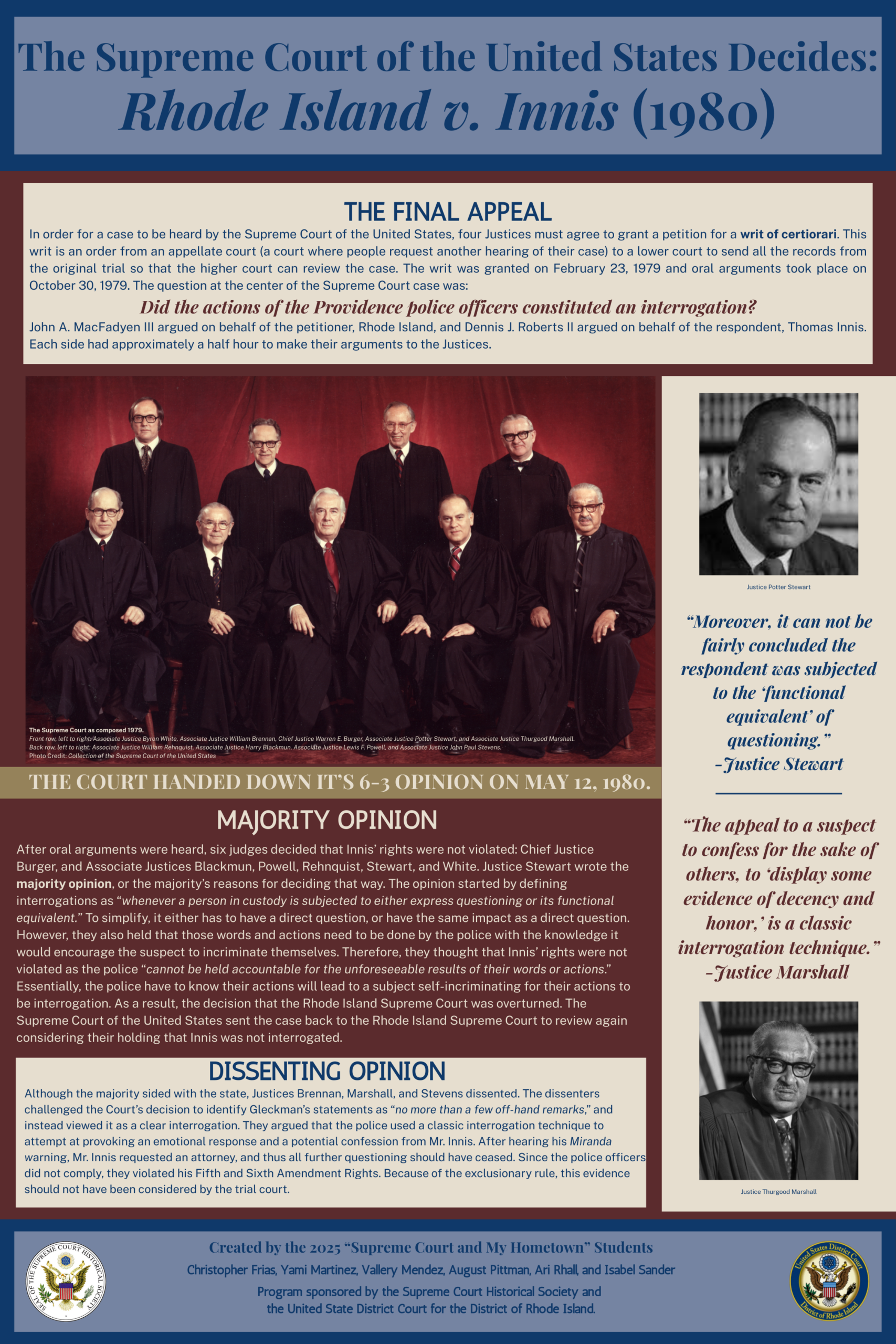
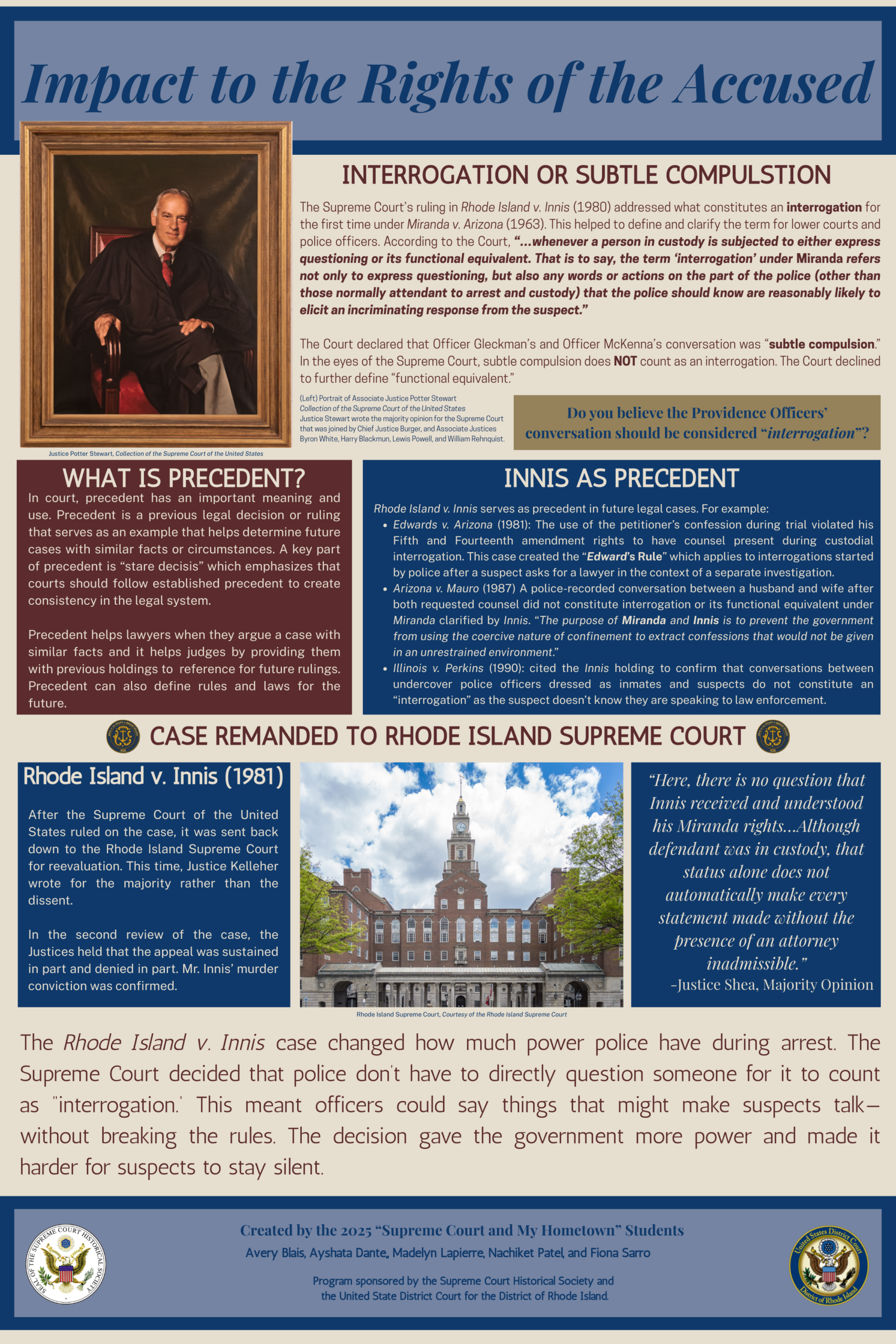
As a culminating capstone activity, students created a five-panel exhibit that will be displayed in the U.S. District Courthouse. Each panel summarizes their new learning and the impact Rhode Island v. Innis has on their community and the United States. A formal opening of the exhibit is scheduled for 2026.
I would absolutely recommend the Hometowns program regardless of if you are interested in the law. You should learn about the way this works in your country because it will at some point affect you, and you should know what’s going on.
Gabby O.
I learned a lot about the court. For example, what a sentencing is actually like and how a judge takes things about a person’s life into account and don’t just go off a paper with guidelines. I also learned there isn’t one set path to becoming a lawyer or judge, that you can major in whatever you’re interested in and still make it. I learned more about the judicial branch here in one week than I did in AP Gov at my school in a semester.
Christopher F.
My biggest takeaway is that there are strong representatives on both sides of a case in a trial, where both the defendant and the Constitution are represented. The criminal defense lawyers are supporting their clients and trying to use the Constitution to their benefit, while the prosecutors aim to find an appropriate sentence for the defendant based on the severity of their crimes.
Isabel S.
My favorite part of the program was the moot court because developing an argument really helped me understand the Innis case, and the feeling while we were in the courtroom and at the podium was incredible.
Keely S.
My favorite part of the program was visiting the RI Supreme Court and Brown. It was super fun to explore other places and hear from people that don’t work in the Federal building. It was also very heart warming to see the naturalization ceremony and be a part of that.
Charlotte H.
The moot court was definitely my favorite part of the program, along with the reenactment of the Innis Superior Court case. I liked getting to act out a court case and see how others responded. My role as a judge during the moot court also allowed me to view other people who were on the prosecution and the defense side. The case reenactment was interesting to listen to as well, and I liked hearing how things happened during the case.
Madelyn L.

Student Capstone Project

Still have questions? We’re here to help.

Email the Civics Department – [email protected]

Email Civics