Styles L. Hutchins
Life Story: 1852-1949
The story of a Black attorney and legislator who believed he was bound by the law to defend the innocent, to right wrongs, and to pursue justice, even at the risk of his personal safety.
Background
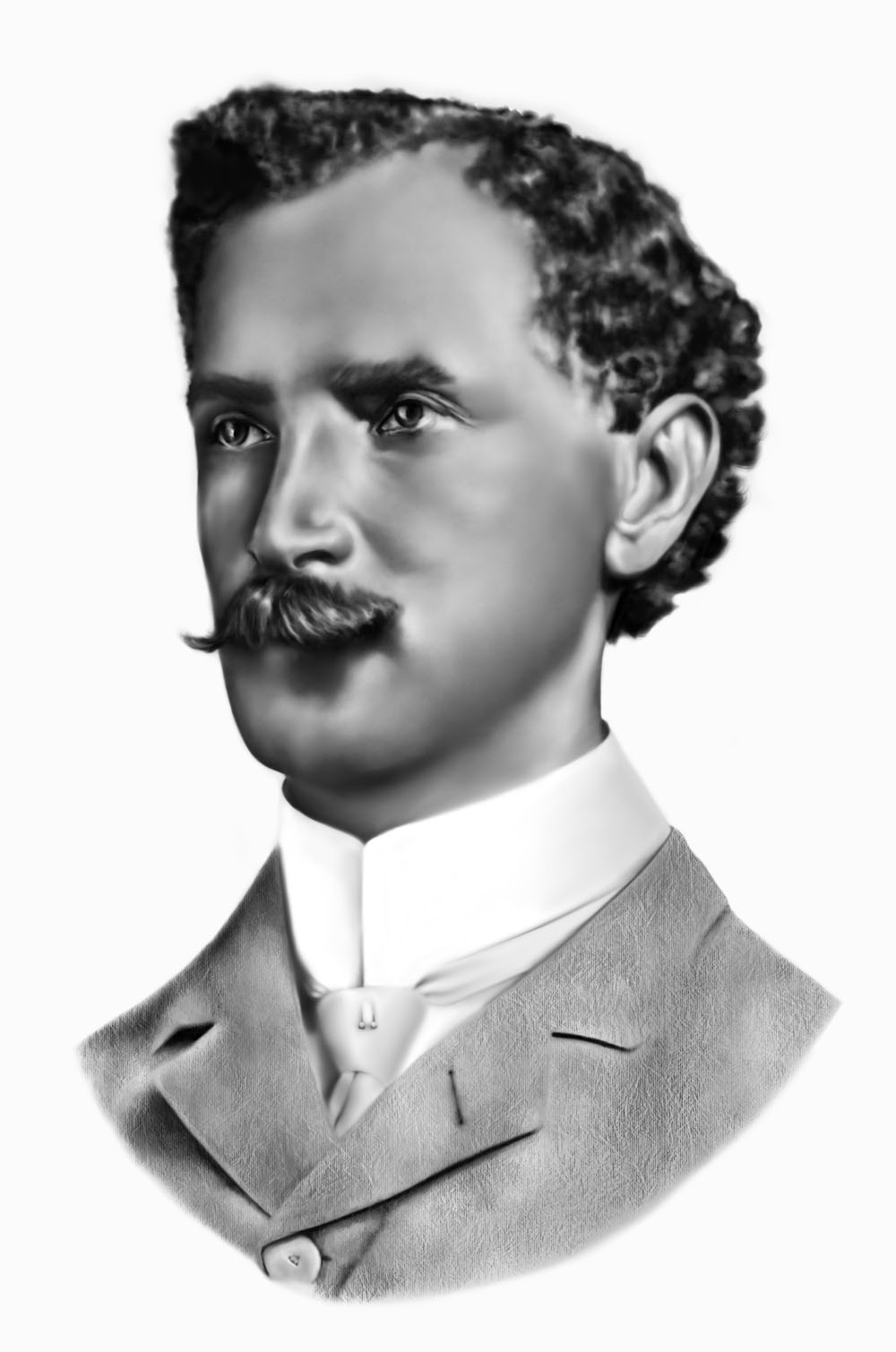
Styles Linton Hutchins was born on November 1, 1852 in Lawrenceville, Georgia. His father, William Doughtery Hutchins, was an enslaved man who purchased his freedom a few years after Styles was born. After gaining his freedom, Dougherty opened a successful barbershop. It was one of the only Black-owned businesses in Georgia before the Civil War. He had one brother, Alvin, and his mother is unknown.
In 1864, Styles enlisted in the U.S. Colored Troops and served during the Civil War. After his service, he worked in his father’s barbershop and re-enrolled in school. Styles was one of the first graduates of Atlanta University after which he became a teacher and a principal. He went on to become one of the first Black graduates of University of South Carolina School of Law in 1876. After law school, Styles served as a state-court judge in South Carolina.
Then, in 1877, Reconstruction ended and the federal government withdrew its troops in the former Confederate states. Without the government’s military presence, many of these states reversed the progress made to integrate newly-freed African Americans as full citizens. In the midst of this change, South Carolina state lawmakers abolished Styles’ judgeship. He decided to return to Atlanta with his wife, Clara Harris. After a six-month struggle with the admissions committee, Styles became the first Black attorney admitted to the Georgia bar.
Growing weary of the racism he encountered on a daily basis in Atlanta, Styles and Clara moved to Chattanooga, Tennessee in 1881. Two years later, he and Clara divorced. Styles remarried in 1887 to Cora Smith and had two children with her. Cora passed away in 1895, and Styles married a final time to Mattie Smith.
Styles quickly became a prominent attorney in Chattanooga. In 1886, he ran as a Republican for the state legislature. He defeated a popular, white Democratic candidate by eight votes, making him the first Black Chattanoogan to hold an elected state office. In spite of the negative press he often faced due to his race, Styles served his district for the full two-year term and then returned to practicing law.
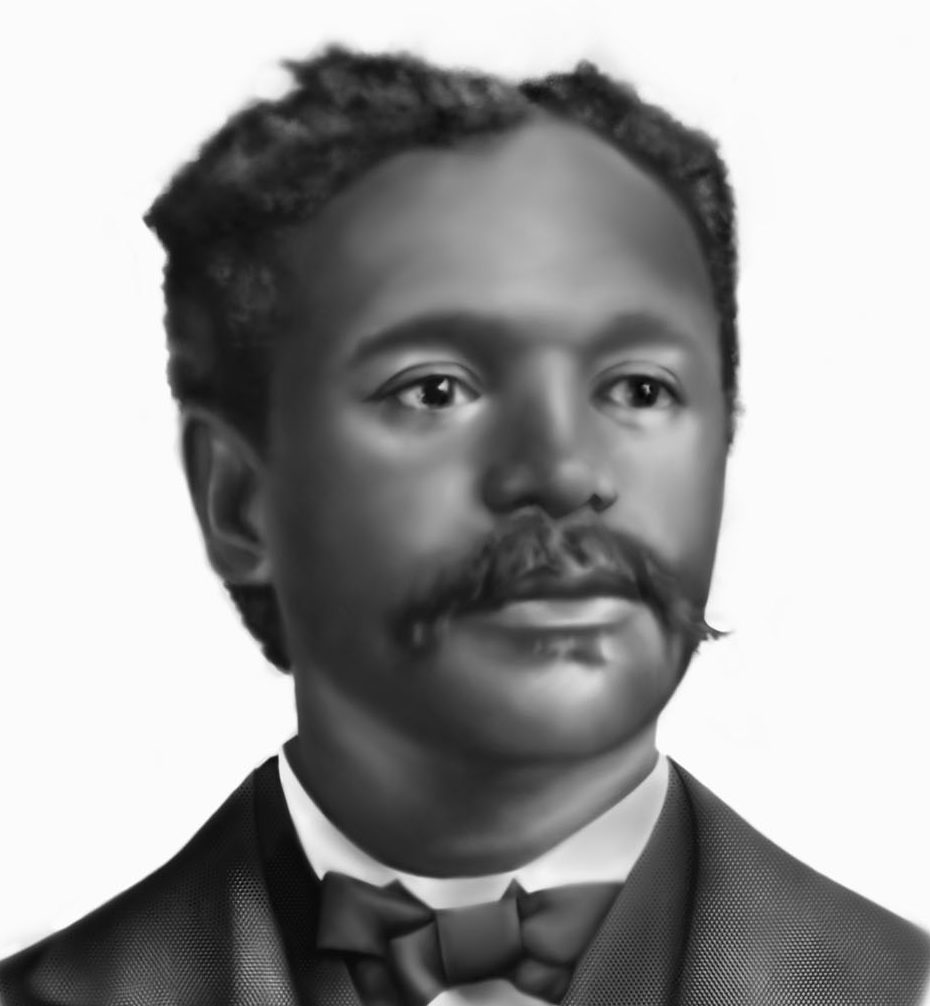
In the 1890s, Styles partnered with fellow attorney Noah Parden. Together, they represented the majority of Black litigants in Chattanooga. A follower of W.E.B. DuBois, Styles often filed cases that confronted racial discrimination. In a society dominated by the Ku Klux Klan, lynch mobs, and Jim Crow laws, he believed that the means of achieving equal rights under the law was confrontation and protest. For example, Styles filed suit against segregation at the community swimming pool. He also represented Annie Blount in a lawsuit against the sheriff after a mob lynched her husband on the Walnut Street Bridge in 1893. By 1906, Styles had built a successful law practice with Parden. They also published a small newspaper, The Independent, that the Black community read for many years.
The Ed Johnson Case and U.S. v. Shipp
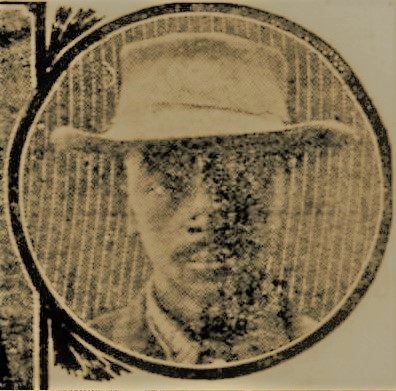
Though Styles never argued at the Supreme Court, he litigated a historic local case that led to the Supreme Court’s first and only case in which it served as a criminal trial court. In 1906, Styles and Parden agreed to appeal the case of Ed Johnson, a local Black man falsely accused of raping a 21-year-old white woman, after a local criminal court sentenced him to death. Parden hesitated to accept the case, which had already attracted significant negative attention. The night of Ed Johnson’s arrest, a lynch mob formed to demand that he be punished. As Black attorneys, Styles and Parden faced significant discrimination. Appealing the case of a criminally charged Black man would certainly threaten their safety. After hours of discussion, Styles convinced Parden that despite the risks, accepting the case was the right thing to do.
Hutchins and Parden tirelessly pursued every avenue available to seek justice for Johnson. The local court refused a retrial, and the Tennessee State Supreme Court rejected the appeal. They then turned to the federal courts and successfully filed a petition for a writ of habeas corpus, which argued that Johnson was guaranteed a fair trial under the Sixth Amendment. While the judge agreed the trial was unfair, he upheld the lower court’s decision because, at the time, the Sixth Amendment only applied to the federal government, not to the states. He did, however, postpone Johnson’s execution, allowing Hutchins and Parden time to prepare a petition to the Supreme Court of the United States. To their surprise, Justice John Marshall Harlan, who oversaw the judicial circuit that included Tennessee, granted their petition and stayed Ed Johnson’s execution. The Court moved the case to the top of its docket so it could be heard and resolved as soon as possible.
Hours after the stay, another lynch mob gathered outside the Hamilton County Jail looking for Ed Johnson. Despite community rumblings about possible violence, Sheriff Joseph Shipp gave his deputies the night off. The only person on duty was the elderly jailer, Jeremiah Gibson. Sheriff Shipp went home and returned to the jail after receiving a phone call alerting him to an attack. The mob broke into the jail, seized Johnson from his cell, dragged him down to the Walnut Street Bridge. The sheriff did nothing to stop them. The mob hung Johnson and, when the rope snapped, shot him to death.
No one from the lynch mob was arrested that night or in the weeks to come. Styles and Parden were outraged—and in danger. After attacks on their homes and law office, with no support from the sheriff, both men realized they had to leave Chattanooga.
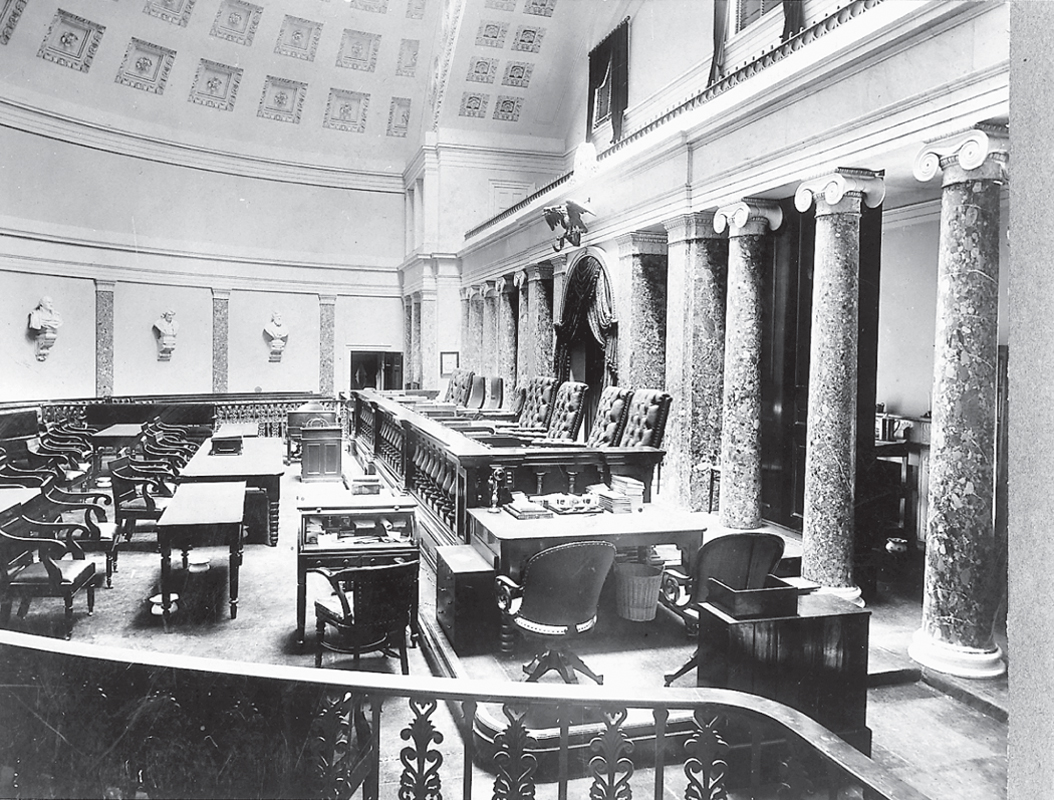
When news of Ed Johnson’s lynching reached the Supreme Court, the justices were stunned. After a months-long federal inquiry and trial, the Supreme Court held the only criminal trial of its history. Styles and Parden attended the oral arguments. In U.S. v. Shipp (1909), the Court convicted Sheriff Shipp and five members of the lynch mob of contempt of court and sentenced them 60 to 90 days in federal prison.
Legacy
After traveling around to speak about the case, Styles settled in Illinois. He practiced law until he retired in 1920 at age 68. For the last 30 years of his life, he ran a barber shop with his son.
Styles Linton Hutchins died on September 7, 1950 at 98 years old. In June 2000, the Georgia Supreme Court unveiled portraits of Styles Hutchins and Noah Parden. Styles is represented in Chattanooga’s Ed Johnson Memorial at the south end of the Market Street Bridge. The United States District Court for the Eastern District of Tennessee also honored the two attorneys with portraits and plaques acknowledging the work they did for Ed Johnson and to advance civil rights.
Discussion Questions
- How old was Styles when he enlisted in the Civil War? What can you infer about Styles based on this decision?
- How did the end of Reconstruction impact Styles’ life and career?
- How did the teachings of W.E.B. DuBois influence the kinds of cases that Styles filed?
- What challenges did Styles and his law partner face while appealing Ed Johnson’s case?
- Styles and Noah Parden had not taken on Johnson as a client, do you think another attorney would have done so? Why or why not?
Sources
Special thanks to the Honorable Curtis L. Collier for his review, feedback, and additional information.
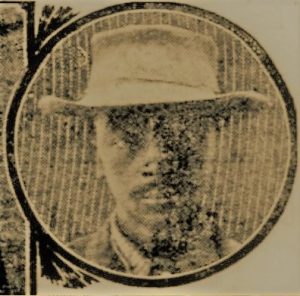
Featured image: Portrait of Styles Hutchins. Courtesy of the U.S. District Court for the Eastern District of Tennessee.
Curriden, Mark and Leroy Phillips. Contempt of Court: The Turn-of-the-Century Lynching That Launched a Hundred Years of Federalism. New York: Anchor Books, 1999.
“Styles Linton Hutchins: November 21, 1852 – September 7, 1950.” “This Honorable Body:” African American Legislators in 19th Century Tennessee. Tennessee State Library and Archives, 2011. https://sharetngov.tnsosfiles.com/tsla/exhibits/aale/hutchins.htm.
“Styles Linton Hutchins.” Connections: Eastern District of Tennessee Outreach. United States District Court, Eastern District of Tennessee. https://outreach.tned.uscourts.gov/hutchins.html
Van West, Carroll. “Styles L. Hutchins.” Tennessee Encyclopedia. The Tennessee Historical Society, 2021. https://tennesseeencyclopedia.net/entries/styles-l-hutchins/.