United States v. Shipp (1906, 1909)
Significant Case
The Supreme Court’s first and only criminal trial.
Background
Throughout the 1800s, Chattanooga, Tennessee was known to be substantially more progressive than the majority of the South. In fact, during the Civil War it was considered a Union stronghold and never voted to secede from the United States. When the Union Army occupied Chattanooga in 1863, the Black population increased dramatically as thousands of formerly enslaved people sought freedom there. The success of industry created enough jobs for all workers, and Black-owned businesses thrived. Throughout Reconstruction and even after, Black men won elections to the Tennessee legislature, city council members, and served as police and firefighters.
Even so, Chattanooga had racial problems. The Tennessee legislature passed laws that exclusively punished Black people. Chattanooga adopted “Black Codes” that restricted the freedoms of Black people. The city also sought to prevent them from voting, even though Black people accounted for one-third of the city’s population. Eventually, these restrictive voting laws reduced Black representation in local government. Most Southern towns experienced race-based murders, known as lynchings, between 1850 and 1930. Chattanooga was no exception, with three lynchings in the city itself during that period. In addition, in late 1905 and early 1906, reports of alleged Black-on-white crimes in Chattanooga brought racial tensions in Chattanooga to a crisis point.
Facts
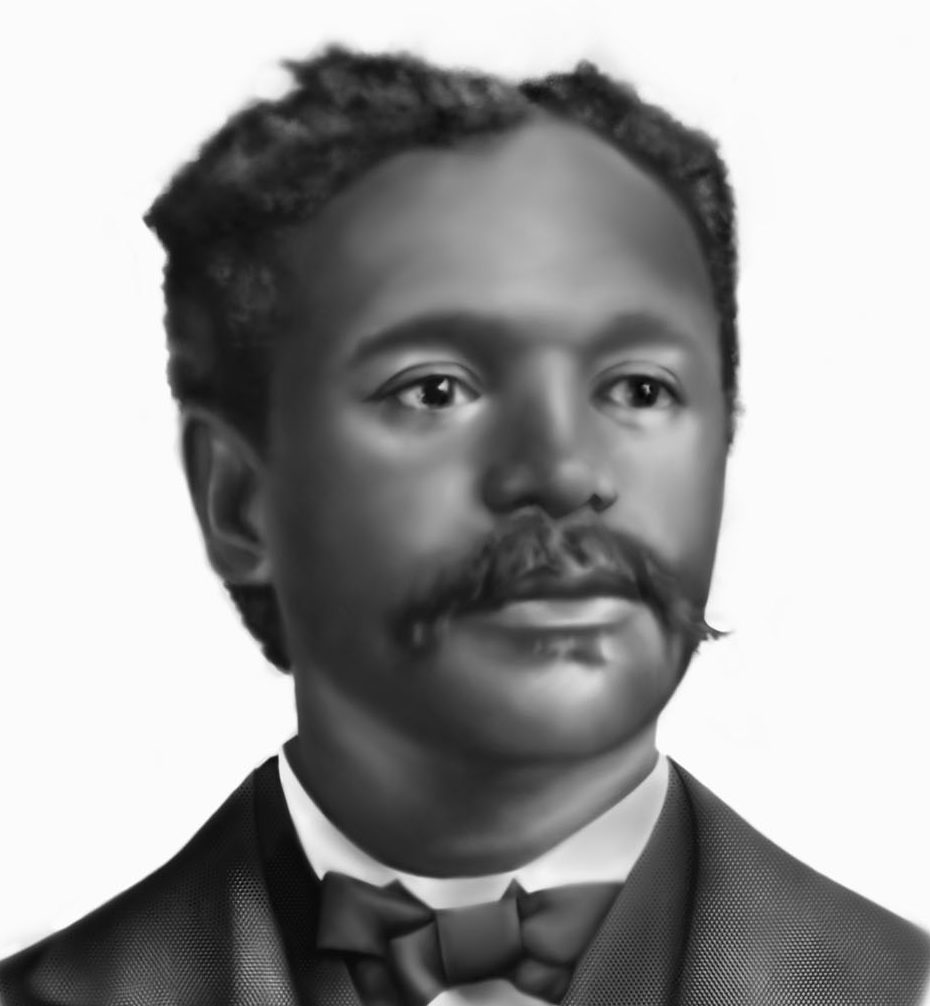
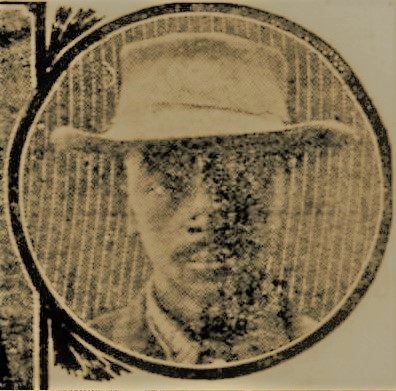
On January 23, 1906, Sheriff Joseph Shipp and his deputies arrested Ed Johnson, a Black man, for the rape of Nevada Taylor, a white woman. In March, the county judge found him guilty and sentenced him to death by hanging. After a rushed trial full of circumstantial evidence, Mr. Johnson maintained his innocence. Two local Black attorneys, Styles Hutchins and Noah Parden, appealed his case, Tennessee v. Ed Johnson (1906), in both state and federal courts. On March 19, 1906, Associate Justice John Marshall Harlan granted their petition for a writ of habeas corpus at the Supreme Court of the United States. Justice Harlan also granted a stay of Ed Johnson’s execution and moved the case to the top of the Court’s docket to resolve the matter quickly.
Chattanooga city officials, including Sheriff Shipp, were made aware of the Court’s decision by the end of the day. Still, the Sheriff gave his deputies the night off. He left only the elderly jailer to monitor the jail. This decision placed Johnson in danger—a lynch mob had formed after his arrest, and the city already had moved him between jails Chattanooga and Nashville to protect his safety. Later that night, another lynch mob formed and broke into the jail. The mob seized Johnson from his cell and dragged him to the nearby Walnut Street Bridge. They hung him and then, when the rope snapped, shot him to death.
The lynch mob’s actions violated the authority of the Supreme Court. A federal investigation of the circumstances surrounding Ed Johnson’s lynching revealed the following:
- Ed Johnson did not have adequate protection the night he died
- Community members widely discussed a lynch mob on March 19
- Local papers published the stay of execution order from the Supreme Court
- The sheriff removed all other male prisoners from the prison floor Mr. Johnson occupied
- Sheriff Shipp notified gun stores to stop selling guns to Black customers but not white customers
- Members of local law enforcement participated in the mob
- Other local officials, such as the judge who heard Ed Johnson’s case, knew of the mob, watched the attack on the jail, and did not notify the sheriff
- Sheriff Shipp was up for re-election, and protecting Ed Johnson could have damaged his reputation and popularity
- The Tennessee v. Ed Johnson trial contained so many errors neither the judge nor the district attorney wanted the case reviewed
Based on the report, the Department of Justice filed official papers with the Supreme Court of the United States on May 28 naming Sheriff Shipp, his eight deputies, and sixteen members of the lynch mob as those responsible for the lynching of Ed Johnson. Attorney General William H. Moody asked the Court to conduct a hearing to determine whether the men should be put on trial for contempt of court.
Issues
- Did the Supreme Court of the United States have jurisdiction to stay Ed Johnson’s execution and hear his case?
- Were Sheriff Shipp and others involved in the lynching of Ed Johnson guilty of contempt of court?
Summary
United States v. Shipp I (1906)
In a unanimous decision, the justices held that defiance of the Supreme Court would not be tolerated. Sheriff Shipp and 26 other defendants would be tried for contempt of court.
United States v. Shipp II (1909)
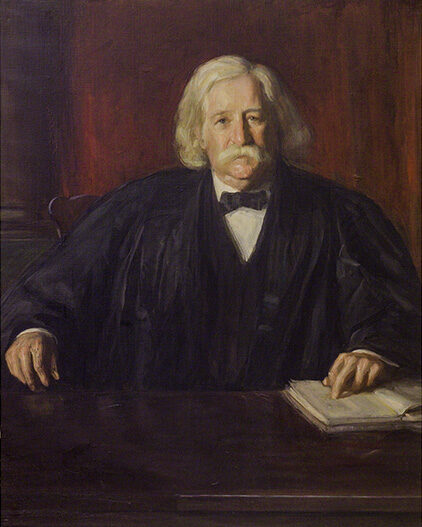
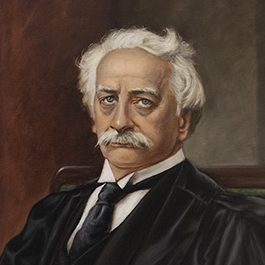
The Court found Sheriff Shipp guilty of contempt of court. On May 24, 1909, Chief Justice Melville Fuller wrote for the 5-3 majority that “Shipp not only made the work of the mob easy, but in effect aided and abetted it.” Then, on November 15, six additional defendants appeared before the Supreme Court. The Court found all six men guilty of contempt of court. Chief Justice Fuller announced that they, and Sheriff Shipp, were sentenced to between 60 and 90 days in federal jail. Justice Rufus Peckham dissented, joined by Justices Edward D. White and Joseph McKenna. They argued that “there is not one particle of evidence that any conspiracy had ever been entered into or existed on the part of the sheriff.”
When the seven men entered federal custody, they were surprised to be treated with dignity and respect. The prisoners had their own floor of the jail and spent their days playing cards and socializing. None of them served their entire sentence.
Precedent Set
The United States v. Shipp contempt trial in 1909 set precedent that federal courts could enforce their own orders. The Supreme Court’s decision was the first time that the federal government condemned mob lynchings.
Additional Context
United States v. Shipp (1909) was the Supreme Court’s first and only criminal trial. During this time, the Court typically limited arguments for each side to one hour. By the time a case reaches the Supreme Court, both sides have already provided evidence, and the arguments are a time for the justices to question the attorneys and test different hypothetical situations to ensure they are applying the law correctly. In contrast, the criminal trial in Shipp was unusual in its procedure. Over the course of five days between February and March 1907, the government called 31 witnesses. The Court recessed and reconvened in June, and Sheriff Shipp’s defense spent another several days attempting to disprove the government’s case against him. Both sides rested their cases by the end of June. The Court dropped the charges of 17 defendants, citing a lack of evidence. The justices called for oral arguments for the nine remaining defendants, including Shipp, before ultimately holding them in contempt of court. Three years passed between the two Shipp cases.
Discussion Questions
- How was the city of Chattanooga different from the majority of the South?
- How is the case of Ed Johnson connected to United States v. Shipp?
- Do you think the actions of Sheriff Shipp and the lynch mob violated the orders of the Supreme Court? Explain.
- Why do you think the Supreme Court has never tried another case after Shipp?
- Federalism refers to the division of powers between state and federal governments. How is the Court’s decision in U.S. v. Shipp an example of federalism?
The 1909 Decision
- Majority
- Concurring
- Dissenting
- Recusal
-
Fuller
-
Harlan
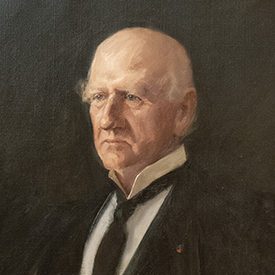
-
Brewer
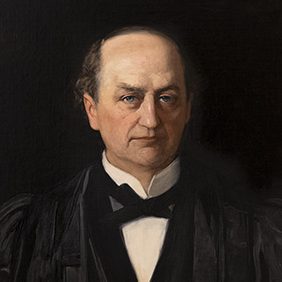
-
White
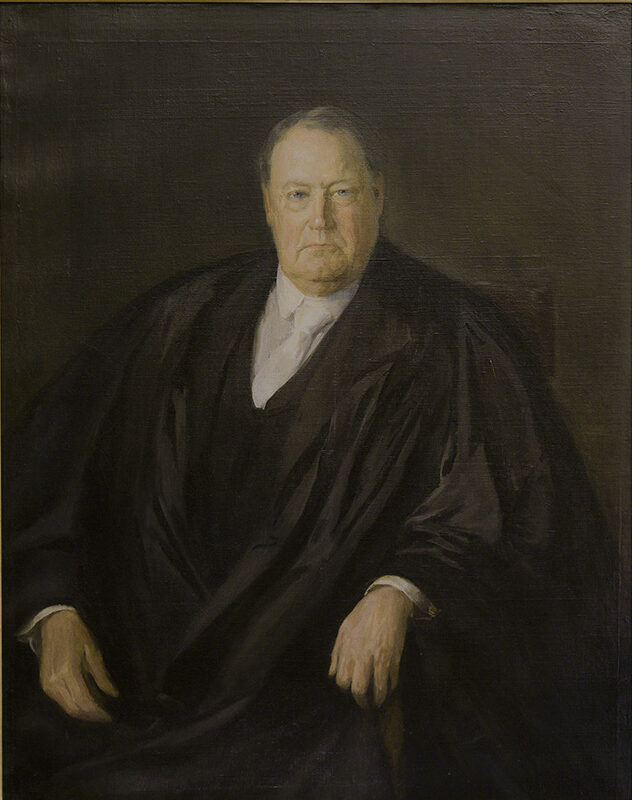
-
McKenna
-
Holmes Jr.
-
Day
-
Moody
-
Peckham
-
Majority Opinion
Melville Weston FullerRead More Close“Shipp not only made the work of the mob easy, but in effect aided and abetted it.”
-
Dissenting Opinion
Rufus W. PeckhamRead More Close“A careful consideration of the case leaves me with the conviction that there is not one particle of evidence that any conspiracy had ever been entered into or existed on the part of the sheriff, as charged against him.”
Sources
Special thanks to the Honorable Curtis L. Collier for his review, feedback, and additional information.
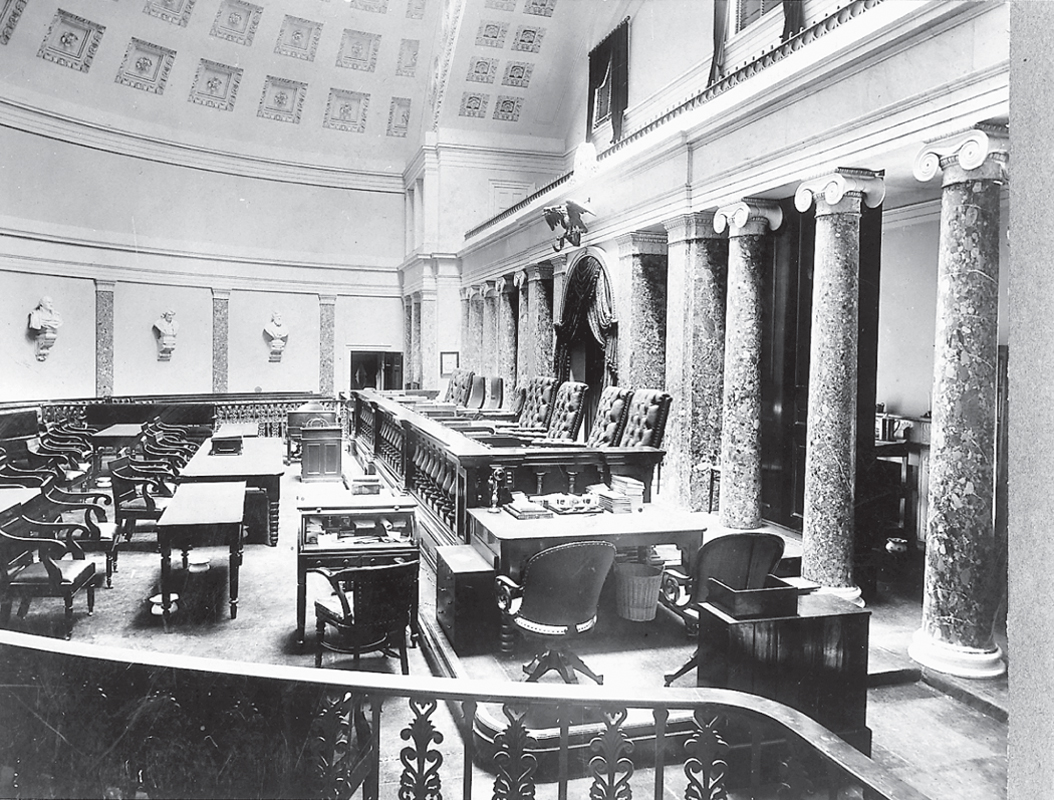
Featured image: Photo of the Old Senate Chamber. “A Supreme Court Case of Contempt.” ABA Journal. https://www.abajournal.com/gallery/supremecontempt.
Curriden, Mark and Leroy Phillips. Contempt of Court: The Turn-of-the-Century Lynching That Launched a Hundred Years of Federalism.
United States v. Shipp, 214 U.S. 386 (1909)